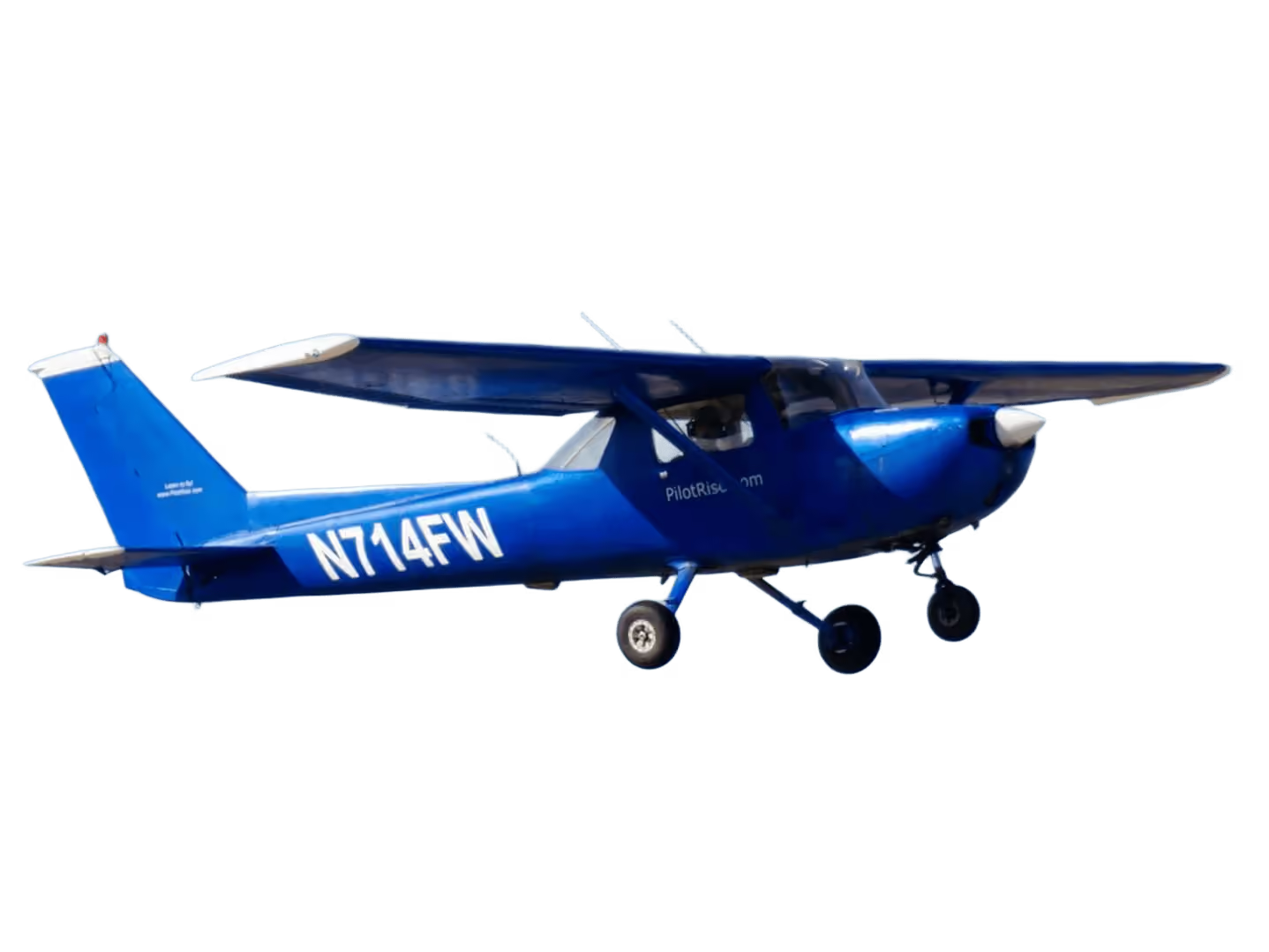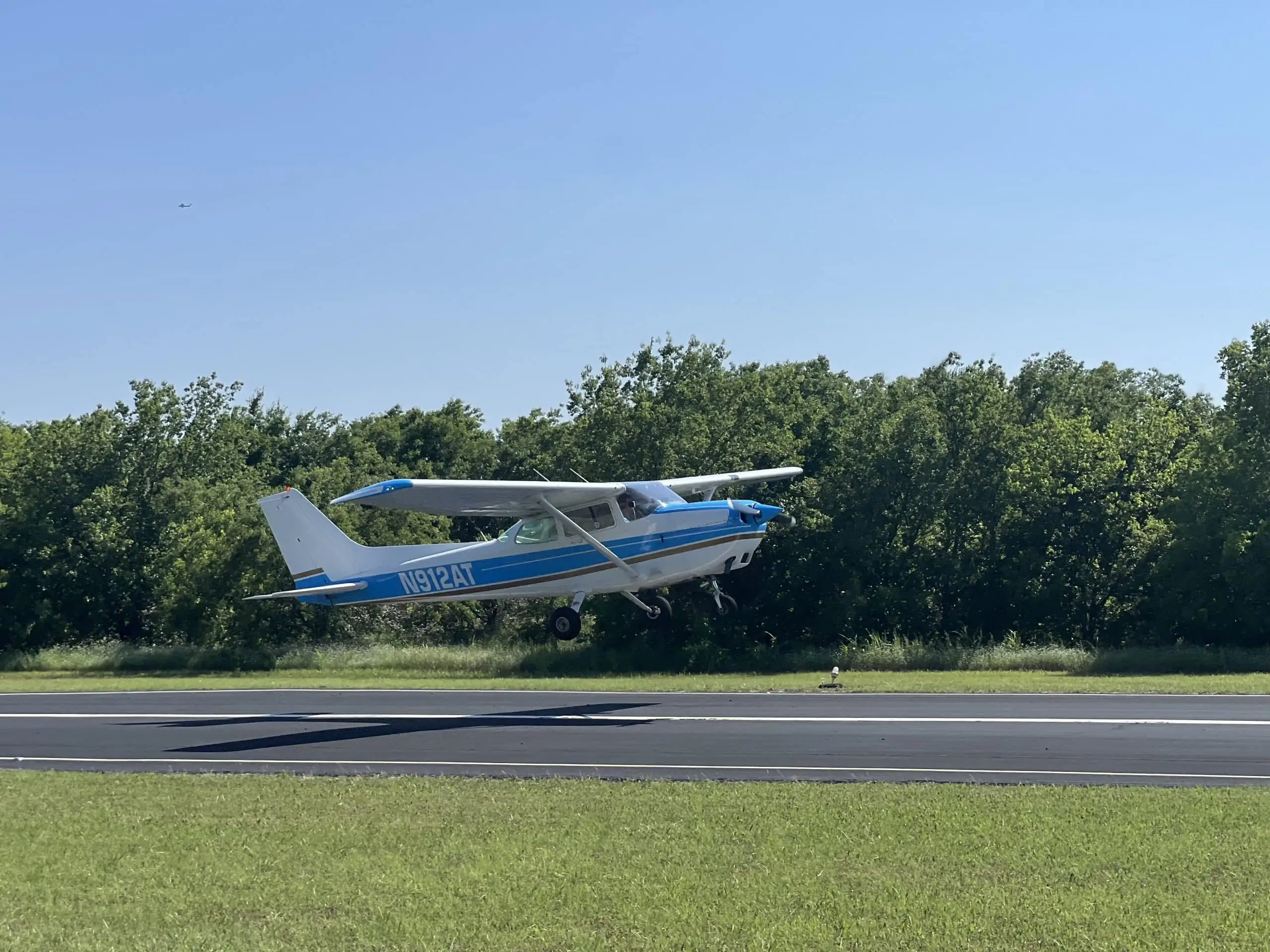
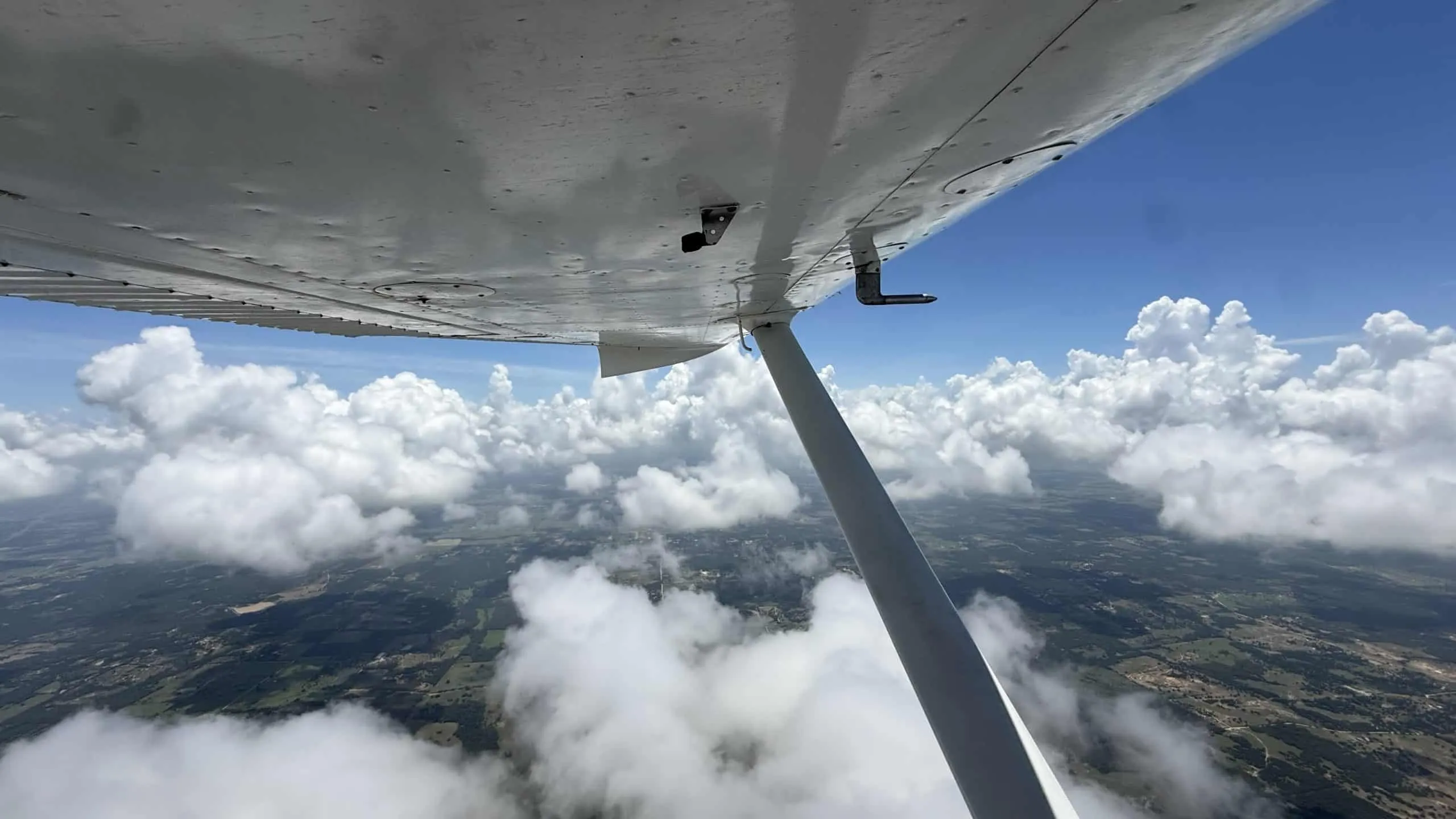
When new students arrive at Pilot Rise Flight School, one of the first questions they ask is, “Should I train in the Cessna 150 or 172?” Both are excellent trainers and share the same dependable Cessna design, but they aren’t identical in how they fit different students. The right choice often comes down to weight, height, and comfort, not price.
See the current total cost of flight training.
Two Trusted Trainers
Both the C150 and C172 have taught generations of pilots. At Pilot Rise, our fleet includes both—two C150s and four C172s—so students can train in the aircraft that fits them best.
Both are maintained to the same high standards, both handle beautifully, and both can take a student from first flight to solo. The difference lies mainly in size, performance, and weight capacity.
What Sets Them Apart
Cabin Space and Fit
The C150 is compact. Pilots over six feet or broader in build may find it tight for longer lessons. The C172 provides more shoulder room, legroom, and visibility, reducing fatigue and distraction.
Weight and Balance Limits
For safety and performance, Pilot Rise recommends the C150 for students up to about 185 lbs, with a 200 lb maximum limit. Heavier combinations can exceed safe balance limits, especially in warm Texas conditions.
The C172, with its 180-horsepower engine, comfortably handles larger students or instructors, offering safer margins in hot, high-density-altitude weather. It’s generally the better fit for anyone over 185 lbs or taller than 6’2”.
Performance and Handling
The C150’s 100 hp engine makes it efficient and simple—perfect for learning basic skills. The C172’s 180 hp provides stronger climb rates, smoother handling, and the feel of a more advanced trainer. Students planning to pursue instrument, commercial, or instructor ratings often find the 172 a natural progression.
Why Weight and Comfort Matter
Choosing the right aircraft isn’t about luxury—it’s about safety and learning efficiency. Every airplane must stay within FAA weight-and-balance limits. When those limits are tight, even a small difference in pilot size or baggage can affect performance.
A proper fit also means better control. Being able to move freely, reach all controls comfortably, and maintain a clear sight picture helps students stay focused on learning, not on squeezing into the cockpit.
The Right Match for Each Pilot
Cessna 150
- Recommended for students 185 lbs or less
- Ideal for early private pilot training
- Great for those who prefer a lighter, more responsive feel
Cessna 172
- Recommended for anyone over 185 lbs or 6’2”
- Better for multi-hour lessons or advanced ratings
- More stable and comfortable for dual flights or warmer days
As one of our instructors explains:
“Our goal is comfort and safety, not upselling. We simply match students to the airplane that helps them learn best.”
The Right Plane for the Right Pilot
At Pilot Rise, aircraft recommendations are based on safe, effective training—not rental price. Some students fit best in the 150, others in the 172. What matters most is learning in an aircraft that performs safely, feels comfortable, and builds confidence from the first lesson.
Find Your Fit
If you’re unsure which airplane is right for you, the best way to know is to fly both. Schedule a discovery flight and feel the difference for yourself.
👉 Book your flight today and start your training journey in the aircraft that fits you best.