Quality
Every lesson fits into a larger plan. Detailed records, standardized instruction, and stage checks keep training focused and protect important milestones.
Flight Training in Dallas & Fort Worth
Not just certified. Ready.
A certificate proves you met a standard on one day. Pilot Rise prepares you for what comes after: changing weather, busy airspace, sound decisions, and the next step in your flying.
You get professional structure, personal mentorship, and the flexibility to train around your goals, schedule, progress, and learning style.
AOPA Distinguished Flight School, 2025 and 2026The Pilot Rise Standard
FAA minimums matter, but they are only the starting point. Everything at Pilot Rise is built around four standards.
Every lesson fits into a larger plan. Detailed records, standardized instruction, and stage checks keep training focused and protect important milestones.
You get a mentor, not just an instructor. We learn how you learn, provide clear next steps, and teach you how to study, practice, and evaluate your own performance.
Published limits, school-wide risk management, preventive maintenance, and the authority for anyone to stop a flight make safety part of the operating system.
Transparent pricing, pay-as-you-go training, included simulator access, and flexible training paths help reduce wasted flights, repeated lessons, and financial risk.
Structured Part 61 Training
Pilot Rise is a Part 61 flight school with the organization students expect from a professional academy, without forcing every student into the same pace or sequence.
Our proprietary element-based training records track individual skills, knowledge areas, trends, recency, and next steps, not only whether a lesson was completed.
After each lesson, you receive clear feedback and study direction. If you fly with another instructor, that instructor can see where you left off and what should happen next.
Weather, aircraft availability, schedule changes, and individual progress do not always follow a rigid syllabus. Your instructor can adjust the lesson while keeping it aligned with the larger training plan.
Stage checks before solo and checkride preparation provide another instructor's perspective before you move forward.
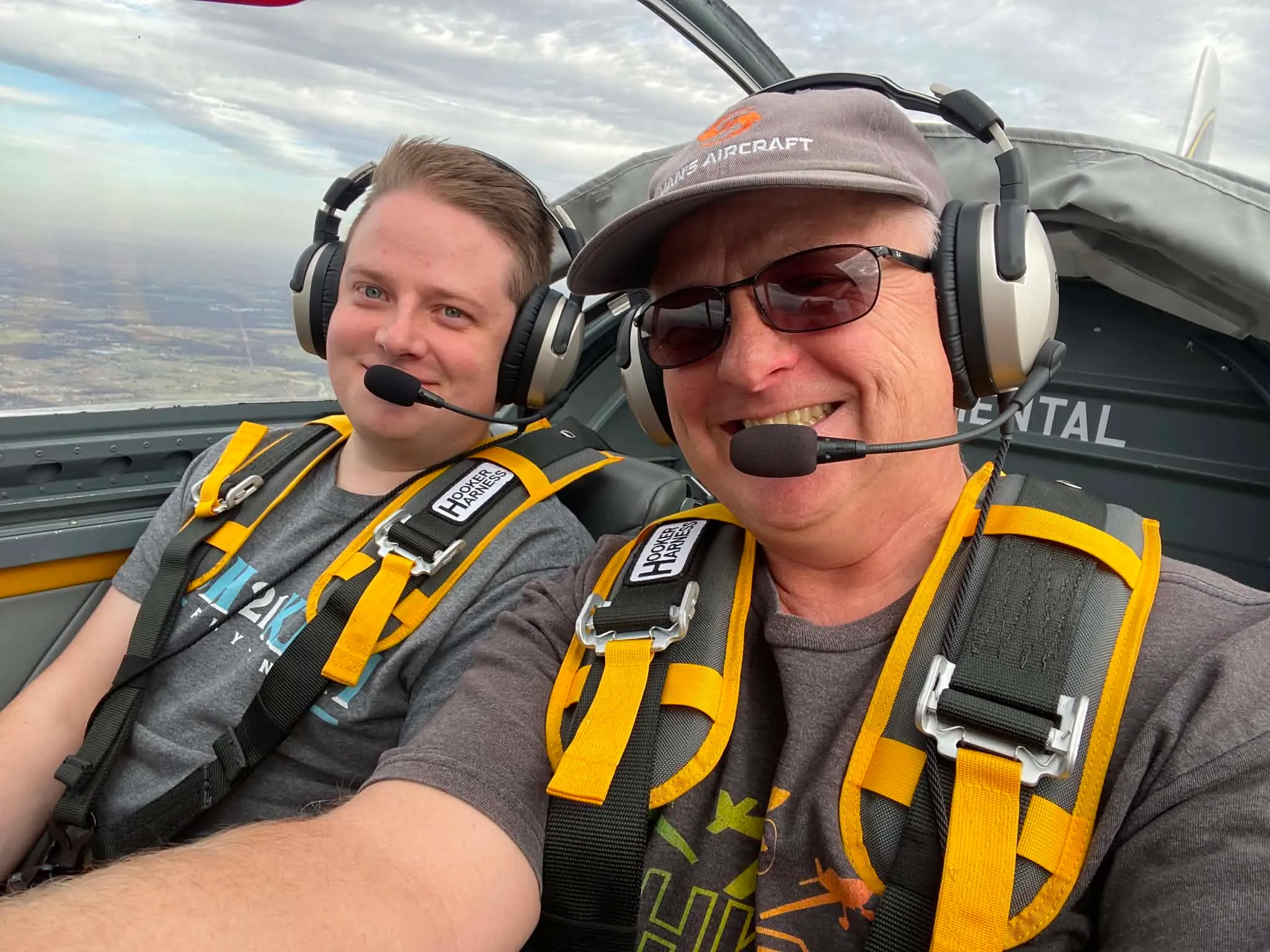
Start With the Right Fit
Compare locations, timelines, budget, and certificate goals with Pilot Rise before choosing your first lesson path.
Beyond FAA Minimums
Pilot Rise has a defined set of 17 training enhancements that adds real-world decision-making, emergency preparation, navigation, systems, wind, night, airspace, and instrument experience to the normal certificate path. The experiences are integrated when appropriate rather than sold as a separate package, and conditional items are completed only when the aircraft, weather, airport, student, and instructor support them.
Advanced crosswind work, system failures, impossible-turn awareness, and practical go/no-go decisions.
Class B operations, flight following, flight-plan filing, and experience at both towered and non-towered airports.
Pilotage without GPS, engine-out landings, power-off 180s, and simulator-based emergency scenarios.
Enhanced night training, real instrument approaches, and actual IMC when conditions, aircraft, and student readiness make it safe and practical.
Safety and Maintenance
Safety is built into how Pilot Rise plans flights, maintains aircraft, trains instructors, reviews risk, and responds when something does not look right.
Aircraft receive 100-hour inspections, preventive maintenance beyond minimum requirements, and work from FAA-certified A&P mechanics with IA oversight. Maintenance status is visible in the scheduling system, and repairs are addressed quickly.
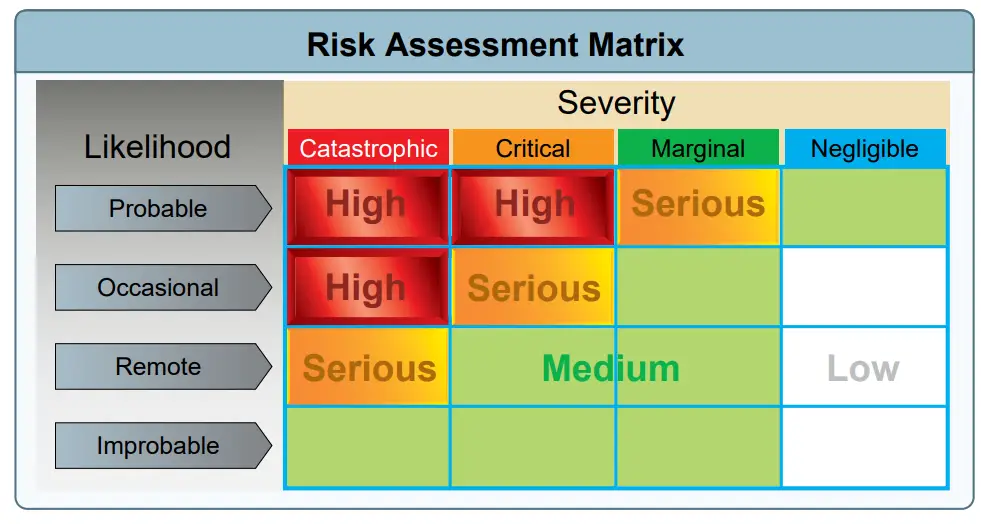
Published weather minimums, preflight risk review, and continued reassessment during each lesson help instructors and students identify threats early.
Any student, instructor, renter, or team member can initiate a safety stop. Open reporting, Just Culture principles, audits, and regular safety oversight help turn concerns into improvements.
Personal Mentorship
"If this were my family learning to fly, would this be good enough?"
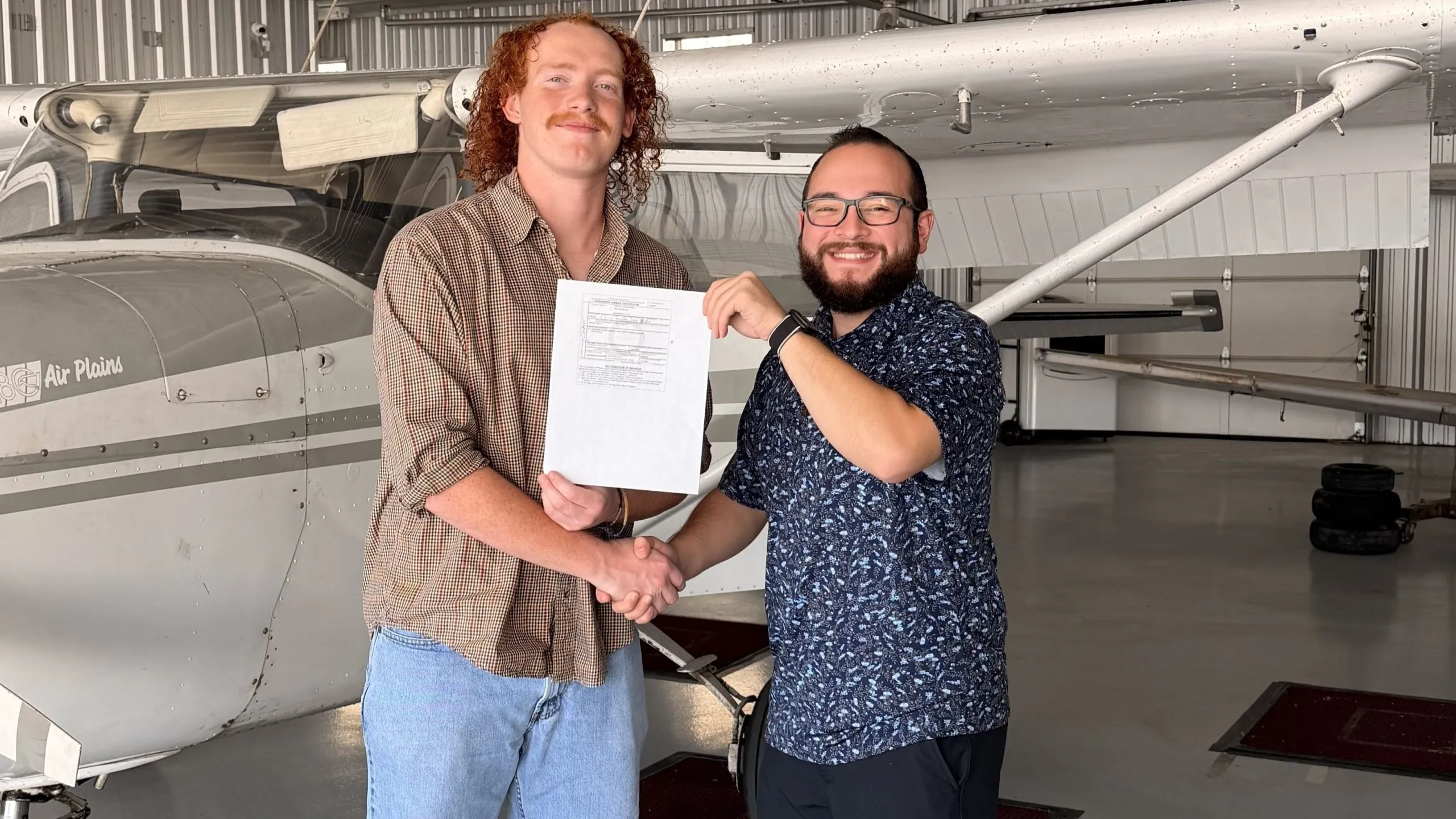
That standard shapes how instructors are selected, developed, and supported. Founder Michael Forseth is an airline pilot who built Pilot Rise's curriculum and training-record system around the structure, feedback, and continual improvement used in professional aviation.
Our instructors bring backgrounds in airline operations, military aviation, aircraft maintenance, aviation safety, cadet programs, and professional teaching. More importantly, they are expected to explain clearly, adapt to the student, and build independent pilots.
Meet the InstructorsTransparent Flight Training Costs
You should understand the likely cost and payment structure before committing to training.
Pilot Rise publishes aircraft rates, instructor rates, fees, and certificate estimates online. Students pay as they go rather than prepaying for a large block of flight hours or signing a long-term training contract.
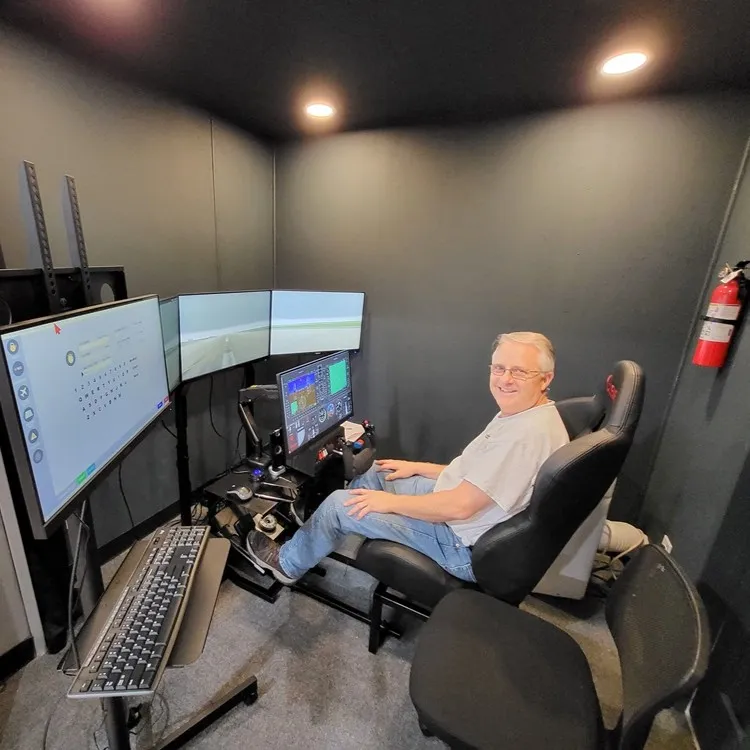
Active students also receive included BATD simulator access under the current student-use policy. The simulator supports procedures, emergencies, instrument work, and proficiency without adding aircraft cost.
Choose a flexible, accelerated, or budget-focused path, then change paths if your schedule or goals change. Financing is available for individual ratings and complete career training.
Dallas and Fort Worth
Choose the location that best fits your commute, preferred training environment, and aviation goals.
KRBD
Train in a towered environment with two runways, instrument approaches, full-service fuel, and real ATC communication from the beginning.
Explore Dallas Flight Training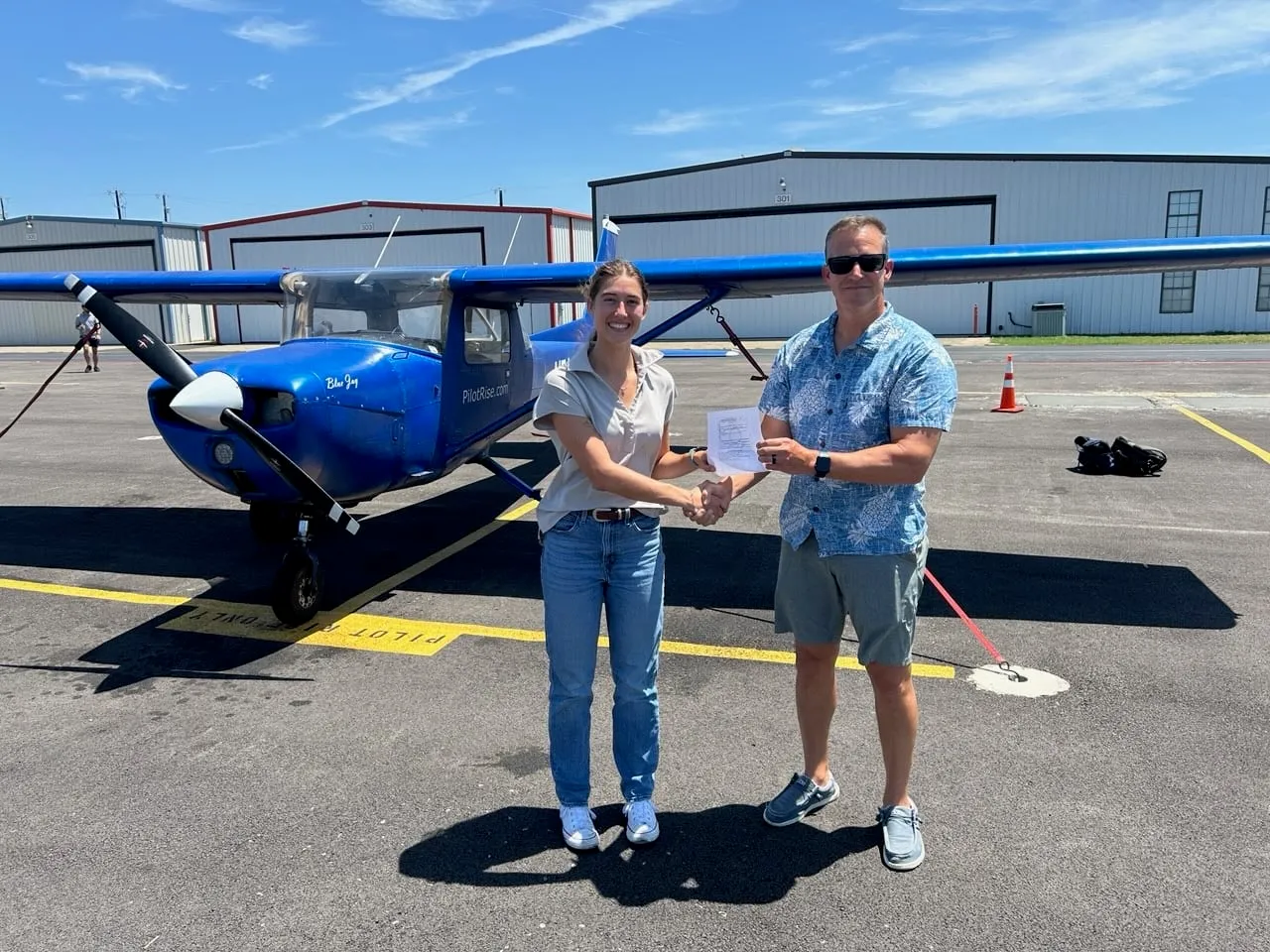
T67
Start from a simple, flexible airport with quick access to practice areas, on-site maintenance support, and nearby towered airports for ATC experience.
Explore Fort Worth Flight TrainingYou can change locations at will or train at both locations at the same time as your needs evolve.
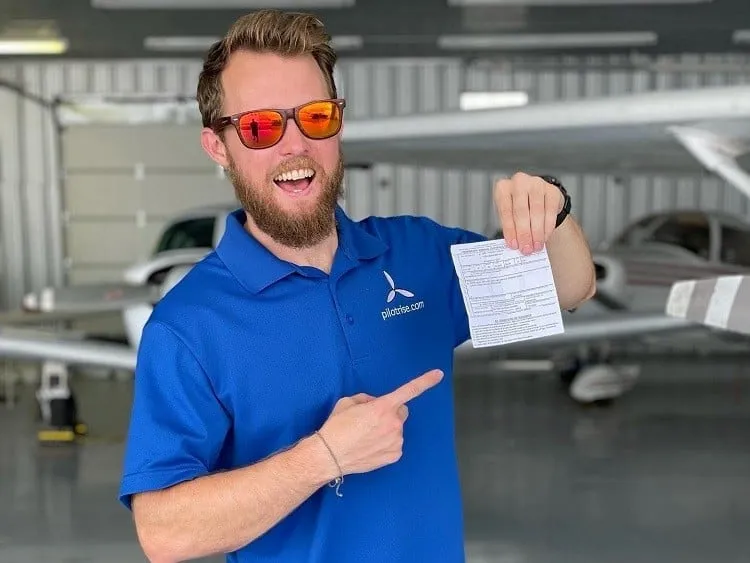
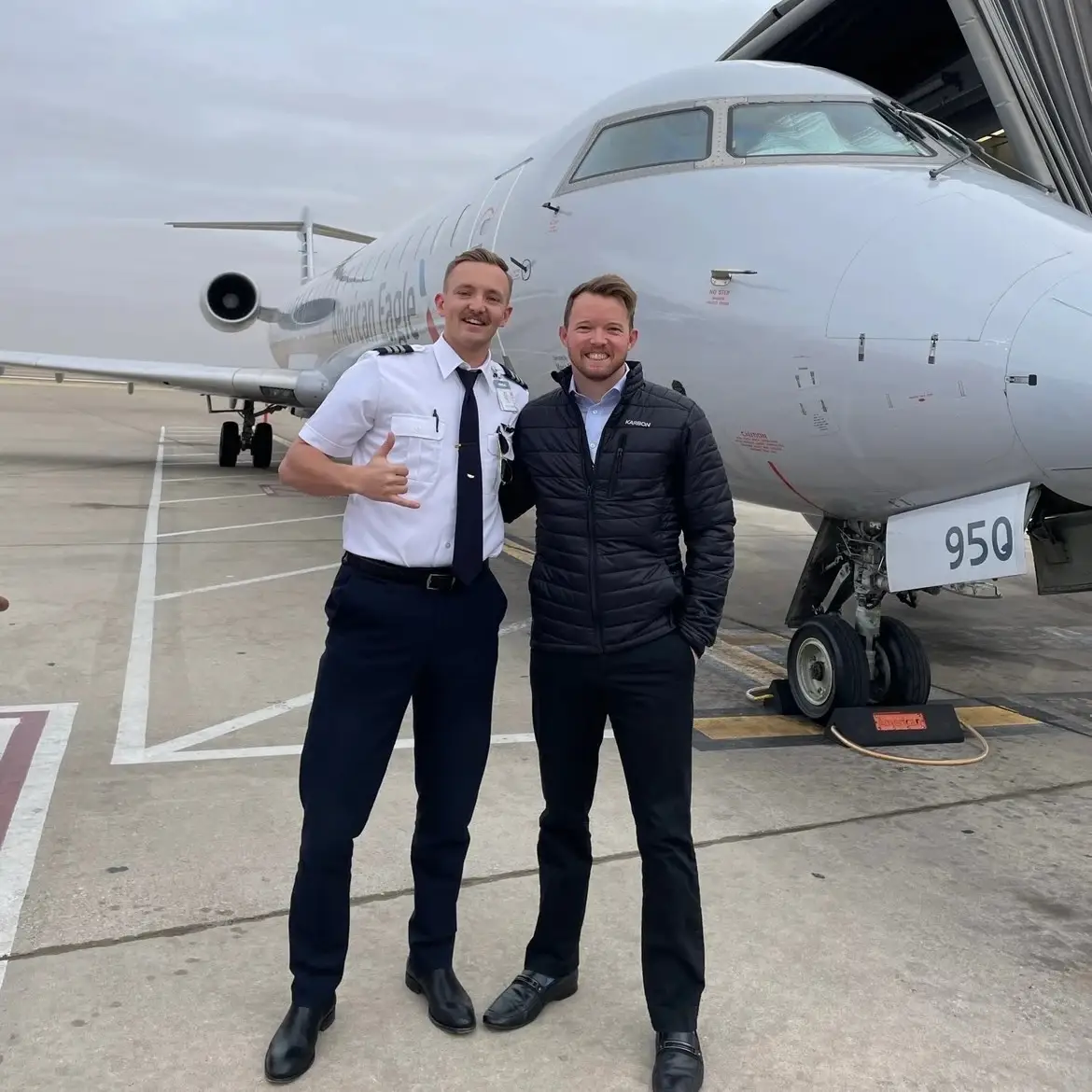
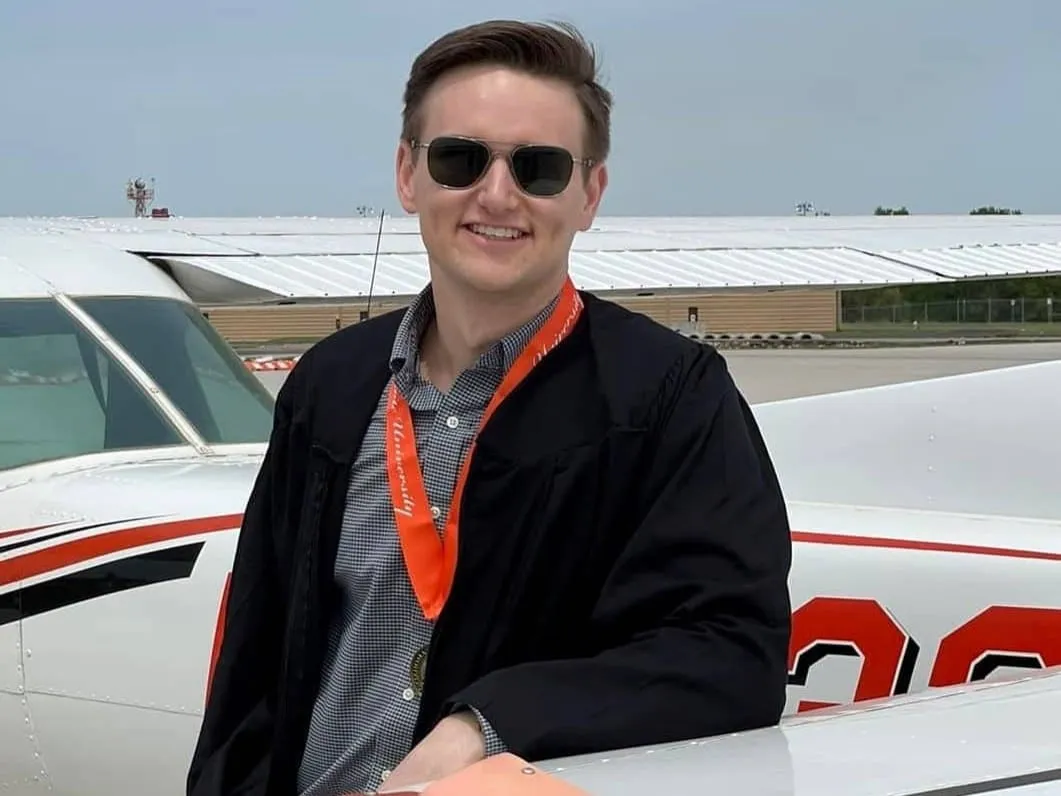
"I wouldn't be an airline pilot without this flight school. I did my private, instrument, and commercial with Pilot Rise."
Take the First Step
Take a low-pressure, hands-on introductory flight, meet an instructor, and see how Pilot Rise would build training around your goals. Start with a Discovery Flight or go directly to Lesson 1.
Why Pilot Rise FAQ
Straight answers about Pilot Rise training, pricing, transfers, simulator access, and choosing locations in DFW.
Pilot Rise combines structured Part 61 training, proprietary skill-based records, stage checks, instructor standardization, real-world training beyond FAA minimums, transparent pricing, and a formal safety system. The goal is not only to help you pass a checkride, but to make you capable and confident after it.
Pilot Rise operates under Part 61. Its training is organized with a defined curriculum, detailed records, standardization, and stage checks, while preserving the ability to adapt around the student, weather, schedule, aircraft, and progress. Both Part 61 and Part 141 lead to the same FAA pilot certificates.
No. Pilot Rise uses pay-as-you-go training and does not require a large prepaid block of flight hours or a long-term training contract. Published pricing and the cost planner help you estimate the full path before you begin. Financing options are also available.
Yes. Pilot Rise can evaluate your logbook, current skills, and remaining requirements, then build a plan from where you are. Detailed training records also make it easier for another Pilot Rise instructor to continue your training without losing the context of prior lessons.
BATD simulator access is included for active students under the current student-use policy. It can be used for procedures, emergencies, navigation, instrument practice, and proficiency. Some sessions may still require paid instructor time, and FAA logging limits apply.
Dallas Executive is a strong fit for students who want regular tower, runway, and instrument-approach experience. Hicks Airfield offers simple operations and quick access to practice areas, with towered airports nearby. Your commute, schedule, and goals usually determine the best starting point.
5673 Apollo Dr. Dallas, TX 75237
628 Aviator Dr. Fort Worth, TX 76179