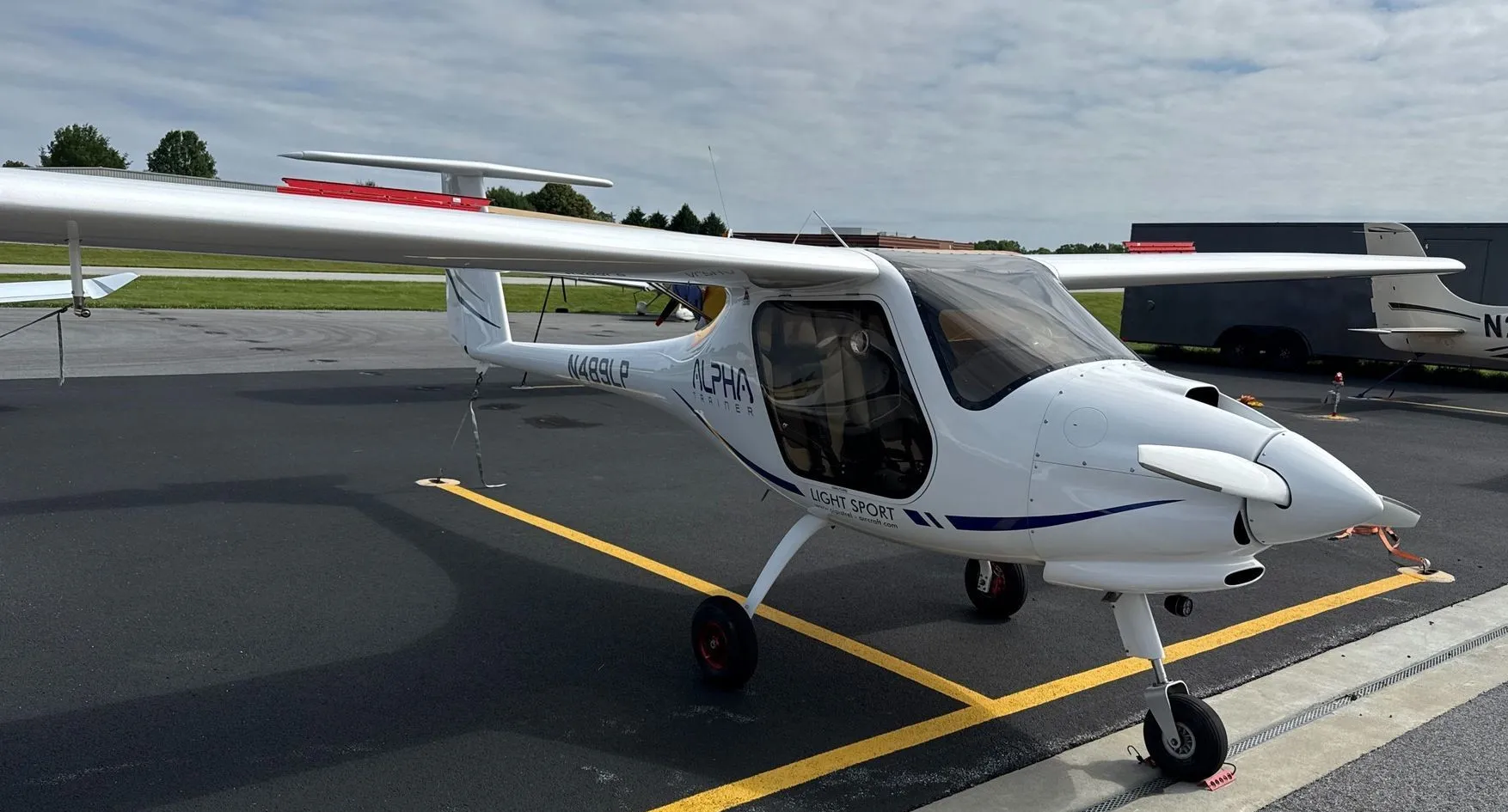
Pilot Rise has added a Pipistrel Alpha Trainer to our Dallas Executive Airport fleet.
This addition came after a long search for the right modern training aircraft. We did not simply want something newer. We wanted an aircraft that would bring something genuinely different to our fleet while still meeting the standards we expect for reliability, safety, training value, and operating cost.
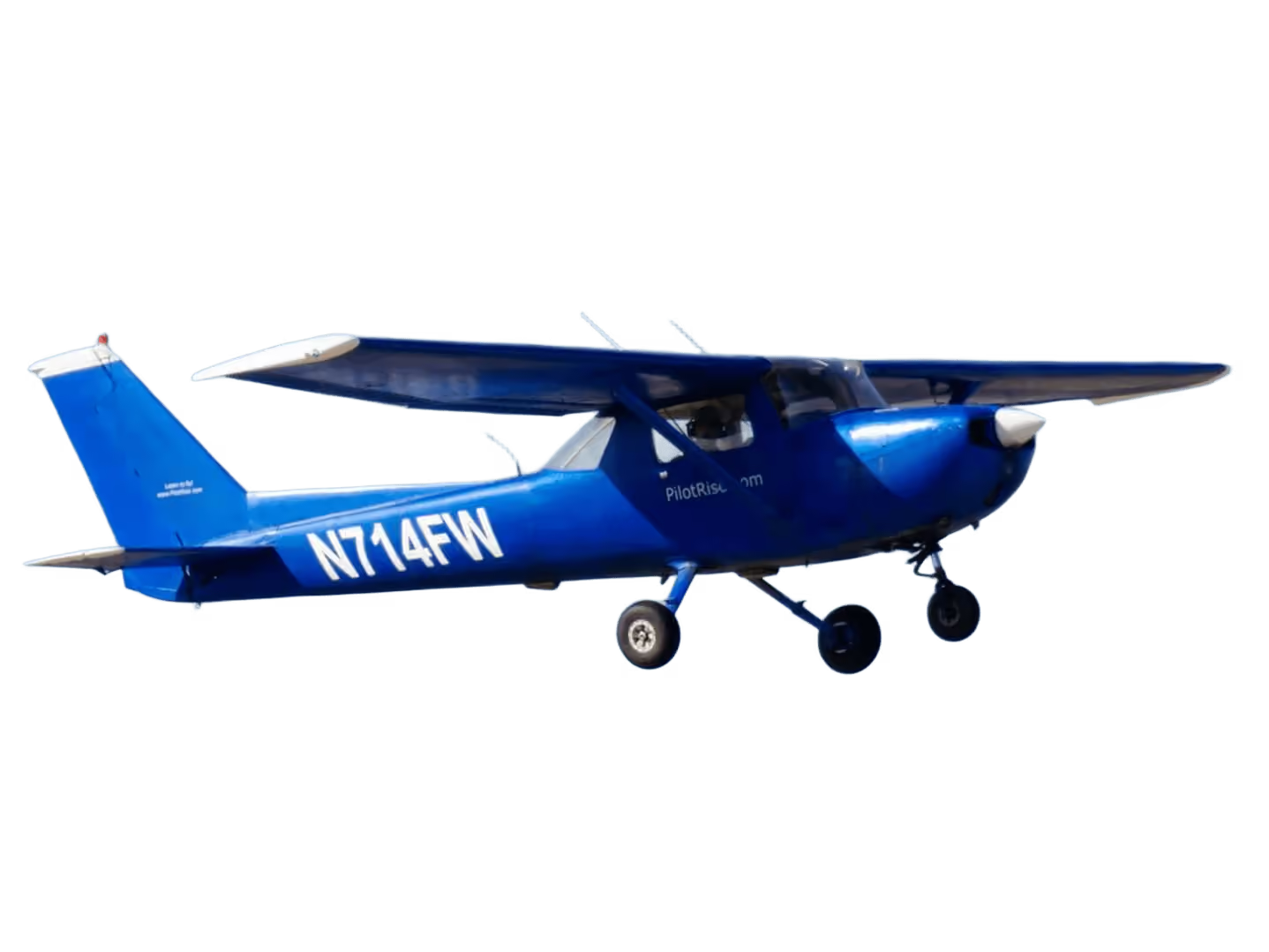
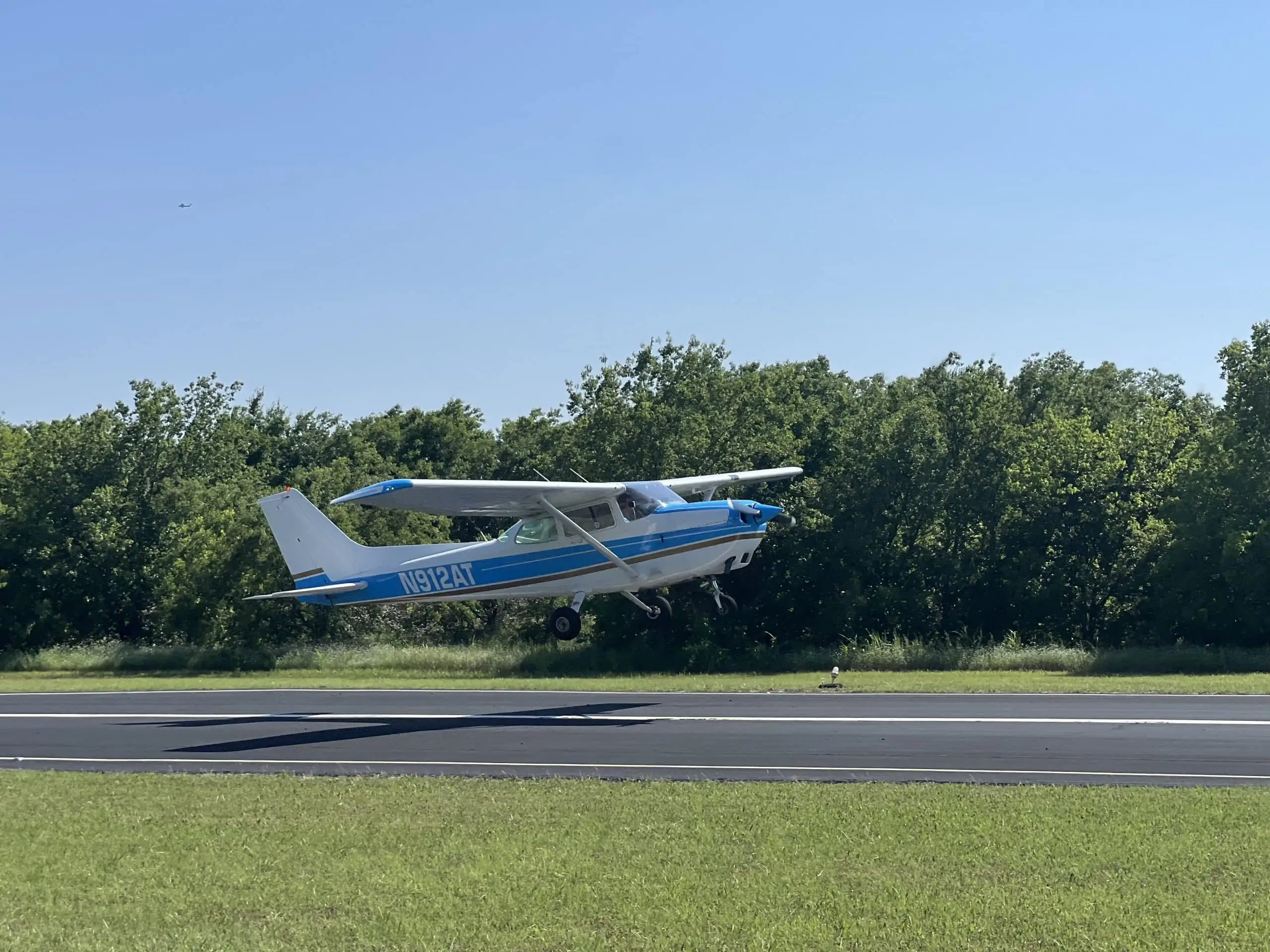
Our Cessna 150s and 172s remain an important part of Pilot Rise. They are proven training aircraft, and we continue to invest heavily in them with modern avionics, refurbished interiors, upgraded equipment, and proactive maintenance.
But we also wanted to expand into a different category of airplane: a lightweight, modern, technically advanced aircraft designed around today’s avionics and operating environment.
After evaluating a long list of options, the Pipistrel Alpha Trainer stood out.
What We Were Looking For
There are a lot of new light aircraft on the market today. That gave us plenty of choices, but it also made us cautious.
For a flight school, buying an airplane is very different from buying one for occasional personal flying. A training aircraft may fly hundreds of hours per year, operate through Texas summers, make repeated takeoffs and landings every day, and be flown by pilots who are still learning.
We wanted a proven platform.
That meant looking for an aircraft from an established manufacturer, with a meaningful number of airplanes already operating, a history of flight-school use, accessible parts and support, and enough time in service that major weaknesses were already understood.
We did not want to become the test case for an entirely new airplane only to discover years later that parts were difficult to obtain, insurance had become a problem, or the manufacturer was no longer around.
During the process, we considered aircraft from Sling, Van’s, Pipistrel, Tecnam, Flight Design, SportCruiser, Evektor, Vashon, and others.
There are things we genuinely liked about many of them. However, when we evaluated them specifically for high-utilization flight training in North Texas, different tradeoffs began appearing.
Some had useful-load limitations that made them difficult for everyday training. Some carried operating costs high enough that their rental rate would have ended up above our Cessna 172s. Others had operating limitations that could reduce availability during windy Texas days.
Then there was heat.
Bubble canopies look fantastic and provide incredible visibility in flight, but Texas in July is not always the environment where you want to sit underneath a giant piece of transparent plastic. Even with sunshades and ventilation, cabin temperature was an important consideration for an aircraft expected to spend its life training in Dallas.
We wanted something modern without sacrificing practicality.
Why Not Just Buy a New Cessna 172?
The Cessna 172 is probably the most recognizable training airplane in the world, and we have no plans to stop operating them.
The problem is simply economics.
A new, well-equipped Cessna 172 represents a major capital expense. It is still fundamentally the same type of airframe and engine combination flight schools have operated for decades, with many of the same maintenance requirements.
Being new does not make an aircraft maintenance-free, especially when it enters heavy flight-school service.
For significantly less money, we can purchase good used 172s and completely refresh them with modern avionics, interiors, paint, and mechanical improvements. That remains an excellent option for expanding the conventional side of our fleet.
If we were going to invest in a brand-new generation of trainer, however, we wanted it to give our students a genuinely different experience.
That led us toward the Alpha.
A Modern Training Aircraft Without a Modern-Aircraft Rental Rate
One of the challenges we found during our search was that many new light-sport aircraft are not necessarily inexpensive to operate.
Once acquisition cost, insurance, maintenance, engine reserves, and other expenses are included, several aircraft we evaluated would need to rent for roughly $180 per hour or more.
At that point, the supposed “lower-cost trainer” actually costs more to rent than many of our Cessna 172s.
The Alpha Trainer was different.
Its lightweight composite construction, simple systems, efficient aerodynamics, and Rotax 912 engine help keep operating costs much closer to what we believe a two-seat training aircraft should cost.
That efficiency is also increasingly important as aviation fuel changes.
Nobody knows exactly what the general aviation fuel market will look like ten or twenty years from now. We wanted at least part of our fleet to be built around an engine and aircraft design that consumes dramatically less fuel than traditional trainers and gives us more flexibility as fuels continue to evolve.
A Real Technically Advanced Airplane
Low operating cost would not have been enough by itself.
The Alpha also gives students access to the type of avionics they are increasingly likely to encounter throughout their careers.
Our aircraft features a Garmin G3X Touch glass cockpit with an integrated two-axis autopilot.
It is a remarkably capable flight deck for an airplane this size.
Instead of adding modern equipment to an airplane originally designed around analog instruments, the Alpha was designed as a modern aircraft from the beginning.
For a private pilot student, that means learning situational awareness and modern avionics while still mastering the fundamentals of flying the airplane.
For an instrument student, it means learning automation management, flight-director and autopilot use, navigation, instrument scanning, and the workflow associated with a modern glass cockpit.
For commercial students, the Alpha meets the requirements of a Technically Advanced Airplane, allowing qualifying training in the airplane to count toward the FAA’s commercial airplane aeronautical experience requirements.
It means one airplane can remain useful through multiple stages of a student’s training.
What About Instrument Training?
There is one important limitation students should understand.
The Alpha Trainer is not approved for flight in actual instrument meteorological conditions. Instrument students train in simulated instrument conditions while remaining in VMC, as Pipistrel describes for the model.
In North Texas, that limitation is less significant than it might initially sound.
We frequently have weather, but much of our actual instrument weather falls into two categories: winter conditions where icing can become a concern, or warmer-season weather associated with convection and thunderstorms. Neither is something we want students casually flying into simply to accumulate actual instrument time.
You can learn instrument procedures, approaches, automation, navigation, holds, departures, arrivals, and IFR decision-making extremely well in the Alpha.
However, actual IMC is still valuable experience.
If one of our instrument students gets a good opportunity to safely fly in actual clouds, we recommend taking one of our IFR-approved Cessna 172s and getting that experience with an instructor.
The Alpha expands your training options. It does not eliminate the value of learning in multiple airplanes.
The Safety Advantage of a 15:1 Glide Ratio
One of the most impressive characteristics of the Alpha Trainer has nothing to do with the avionics.
It is the aerodynamics.
The Alpha has a published 15:1 glide ratio, dramatically better than a typical Cessna trainer.
From a safety perspective, that can give the pilot more landing options following an engine failure. More glide capability can expand the area in which to identify a suitable landing location, subject to altitude, wind, speed, and aircraft configuration.
But we like it for another reason:
It forces students to learn energy management.
In a Cessna 172, getting high on an approach is relatively forgiving. Reduce the power, increase drag, and the airplane will come down fairly quickly.
The Alpha is different.
It wants to fly.
Even after reducing power, the airplane retains energy extremely well. The Alpha is equipped with spoilers to help increase the descent rate, but pilots still need to think ahead.
Being too high matters.
Being too fast matters.
Waiting too long to begin a descent matters.
That makes the Alpha an excellent teaching tool.
Learning Energy Management Before the Airlines
For students pursuing professional aviation careers, this characteristic is particularly valuable.
Airliners are extraordinarily efficient airplanes. That efficiency is great when trying to carry hundreds of people long distances, but it also means airline pilots constantly think about energy.
If you are high, getting down can be difficult.
If you are fast, slowing down can take time.
If you are both high and fast, you need to recognize the problem early instead of expecting the airplane to fix it for you.
The Pipistrel obviously is not an airliner, but the lesson is surprisingly similar.
You have to stay ahead of the airplane.
You learn to look at where you are, where you need to be, how much energy the airplane has, and what needs to happen several miles from now rather than simply reacting when you arrive.
Those habits transfer extremely well into more advanced aircraft.
A Whole-Aircraft Parachute
The Alpha also includes a safety feature that none of our traditional Cessna trainers have: a ballistic whole-aircraft parachute system.
The parachute is not a replacement for good decision-making, proper maintenance, emergency training, or maintaining aircraft control.
It is another option.
A pilot could find themselves in an extremely rare situation where continued controlled flight or a conventional emergency landing is no longer practical. Having another tool available in that situation can provide an additional layer of protection for the student and instructor.
Combined with the airplane’s excellent glide performance, the Alpha gives pilots multiple options when dealing with an emergency.
That is exactly the type of redundancy we like to see in a training aircraft.
The Visibility Is Incredible
Some aircraft specifications look impressive on paper but don’t change the experience of flying very much.
The Alpha’s doors do.
Both sides of the cockpit have large transparent doors, giving the pilot and instructor an almost unobstructed view outside.
Look left and you can see the ground beneath you.
Look right and you can see almost everything beside the airplane.
For sightseeing, it makes flying more enjoyable.
For training, it is genuinely useful.
Students can more easily see traffic, understand their position in the traffic pattern, judge their ground track, identify landmarks, and develop the habit of actually looking outside the aircraft.
The first time you fly it, the amount of visibility is one of the things you immediately notice.
Designed for Texas Summers
Those doors have another advantage.
They open upward and provide a huge opening on both sides of the cockpit while the aircraft is on the ground.
Anyone who has sat inside a small airplane on a Texas ramp in August understands why that matters.
Instead of sitting underneath a closed bubble canopy waiting for airflow, you can open the airplane up and get substantial ventilation immediately.
It sounds like a small detail until you operate a training aircraft through a Dallas summer.
Then it becomes a very important detail.
Easier to Move, Easier to Access
The Alpha is also simply easy to live with on the ground.
Getting in and out is straightforward, with large openings on each side of the cockpit.
And because the airplane is so light, repositioning it on the ramp is considerably easier than moving a Cessna 172.
Anyone who has tried pushing a loaded 172 uphill into a parking space understands the difference.
These are not glamorous features, but flight-school airplanes are moved, fueled, repositioned, inspected, and flown over and over again.
Little improvements in everyday usability add up quickly.
The Alpha Isn’t Replacing Our Cessnas
We did not buy the Pipistrel because we suddenly decided traditional trainers were obsolete.
Quite the opposite.
One of the strengths of Pilot Rise is that students do not have to learn in only one type of aircraft.
A Cessna 150 is still an outstanding inexpensive airplane for building fundamental flying skills and flight time.
A Cessna 172 provides more cabin space, payload, IFR capability, and the familiarity of one of the most common airplanes ever built.
The Pipistrel Alpha Trainer adds something different.
It gives students access to a modern composite airframe, Garmin glass cockpit, integrated autopilot, excellent aerodynamic efficiency, whole-aircraft parachute, exceptional visibility, and an airplane that demands thoughtful energy management.
Each teaches something slightly different.
And becoming comfortable transitioning between different airplanes is itself an important part of becoming a better pilot.
Why We Chose the Pipistrel Alpha Trainer
Ultimately, we did not choose the Alpha because it won one particular specification.
We chose it because of the complete package.
It is a proven training platform from an established aircraft manufacturer. It has modern avionics without requiring an extreme rental rate. It burns very little fuel. It offers excellent visibility. It is comfortable to operate in the Texas environment. It provides strong safety features. It can support training from private through instrument and commercial. And its aerodynamic characteristics teach pilots skills that become increasingly important as they move into faster and more advanced airplanes.
Most importantly, it gives our students another way to learn.
Pilot Rise will continue operating, upgrading, and adding Cessna aircraft. But the Alpha represents the beginning of another side of our fleet: efficient, modern aircraft designed around the technology pilots are flying today.
We are excited to have the Pipistrel Alpha Trainer at our Dallas Executive Airport location, and even more excited to see what our students learn from it.
Explore our Alpha Trainer N489LP aircraft page or book a flight to see it for yourself.