Best Flight School Fort Worth: 10 Things to Compare in 2026
Compare 10 factors when choosing the best flight school Fort Worth offers, including safety, instruction, scheduling, cost, aircraft, and Hicks Airfield. Use this practical 2026 guide to evaluate any school before enrolling.
2x Distinguished Flight SchoolAwarded by AOPA in 2025 and 2026
95%+ Checkride Pass RateBased on Pilot Rise training records
400+ Pilots TrainedAcross private, instrument, commercial, and CFI goals
17 Training EnhancementsReal-world skills beyond FAA minimums
Use this guide at any school
How to Choose the Best Flight School Fort Worth Offers
Pilot Rise's Fort Worth flight school trains at Hicks Airfield around one standard: Not just certified. Ready. Use these 10 criteria to compare Pilot Rise with any Fort Worth flight school before you enroll.
Most schools can provide an airplane and an instructor. A best flight school Fort Worth comparison should focus on how much of each lesson is productive, how the school preserves progress, how instructors are supported, how maintenance is handled, and whether students receive experience beyond the home airport.
A practical evaluation framework
The 10 Criteria That Separate Strong Fort Worth Flight Schools
Structured Part 61 Flight Training
Part 61 should not mean a loose sequence of unrelated lessons.Pilot RiseYes — highly structured and flexibleMost DFW schoolsOften rigid Part 141 or loosely organized Part 61
Part 61 should not mean a loose sequence of unrelated lessons. Students need a defined syllabus, measurable standards, and clear milestones while retaining flexibility around weather, work, family, budget, and learning pace.
Part 141 programs follow an FAA-approved syllabus and may be necessary for specific benefits or enrollment needs. Structured Part 61 training can provide comparable organization with more flexibility around pace and lesson sequence.
- What to look for
- A written training path with professional structure and enough flexibility to keep each lesson productive.
- Pilot Rise
- Pilot Rise combines custom syllabi, element-based records, instructor standards, and stage checks in a structured Part 61 program. Students keep flexibility without losing the larger plan.
Training Records That Preserve Context
Students may fly with another instructor, change aircraft, take time away, or transfer from another school.Pilot RiseYes — proprietary skill-level recordsMost DFW schoolsUsually basic lesson-completion records
Students may fly with another instructor, change aircraft, take time away, or transfer from another school. A simple lesson-completion log rarely preserves enough detail to prevent repetition.
- What to look for
- Records that show individual skills, knowledge areas, trends, recency, goals, feedback, and next steps.
- Pilot Rise
- Pilot Rise's proprietary element-based records let another instructor see what is strong, what needs work, and what should happen next before the lesson begins. Students also receive clear post-lesson feedback and study direction.
Real-World Training Beyond the Checkride
The FAA Airman Certification Standards define the minimum demonstration required for a certificate.Pilot RiseYes — 17 real-world enhancementsCommon minimum-focused approachA course may concentrate on required experience and practical-test tasks without publishing a defined set of additional real-world scenarios.
The FAA Airman Certification Standards define the minimum demonstration required for a certificate. They do not cover every situation a new pilot will face after training.
- What to look for
- Specific skills beyond the checkride that are integrated into normal lessons rather than offered as vague extras.
- Pilot Rise
- Pilot Rise publishes and maintains 17 training enhancements that broaden emergency, navigation, airspace, systems, wind, night, and instrument experience within safe operating limits. Fort Worth examples include Advanced Crosswind Training, Class B Operations, Emergency Scenarios in the Simulator, Pilotage and Navigation Without GPS.
Personal Mentorship and Consistent Instruction
A great individual instructor is valuable.Pilot RiseYes — personal mentorship with shared standardsMost DFW schoolsInstructor experience and continuity often vary
A great individual instructor is valuable. A strong school makes good teaching repeatable through instructor development, shared standards, useful debriefs, and coaching that builds independent judgment.
- What to look for
- Ongoing instructor development, shared teaching standards, clear feedback, and continuity when another instructor is needed.
- Pilot Rise
- Pilot Rise instructors personalize lessons within common standards and teach students how to study, chair fly, practice, and evaluate their own performance. Detailed records help each instructor continue from the same context.
Stage Checks Before Major Milestones
Students should not reach solo or checkride preparation based only on one instructor's impression.Pilot RiseYes — required before solo and checkride preparationMost DFW schoolsStage checks may be optional or unavailable
Students should not reach solo or checkride preparation based only on one instructor's impression. A second set of eyes can confirm readiness, identify gaps, and focus the remaining work.
- What to look for
- Defined stage checks before solo and checkride preparation, with findings recorded for follow-up.
- Pilot Rise
- Pilot Rise requires stage checks before solo and checkride preparation. Results are recorded so the student and primary instructor know exactly what to reinforce next.
Simulator Training Integrated Into the Program
A simulator creates a safe, repeatable place to practice procedures, emergencies, instrument work, and weather-limited lessons without using expensive aircraft time.Pilot RiseYes — BATD access included for active studentsMost DFW schoolsSimulator access and fees vary
A simulator creates a safe, repeatable place to practice procedures, emergencies, instrument work, and weather-limited lessons without using expensive aircraft time.
- What to look for
- A qualified training device used with clear objectives throughout the syllabus, plus transparent simulator and instructor fees.
- Pilot Rise
- Active Pilot Rise students can use the FAA-certified BATD without a simulator rental charge under the current student-use policy, with instructor time billed when instruction is provided. The device supports procedures, emergencies, instrument work, and proficiency.
Adaptive Training That Uses Lesson Time Well
A reservation is valuable only when the lesson produces useful progress.Pilot RiseYes — lessons adapt around conditions and progressMost DFW schoolsFixed sequencing or cancellations are common
A reservation is valuable only when the lesson produces useful progress. Weather, aircraft availability, and student needs often require a thoughtful change to the original plan.
- What to look for
- A system for adapting lesson objectives while protecting safety, recency, continuity, and productive use of the reservation.
- Pilot Rise
- Pilot Rise instructors can shift to focused skill work, simulator training, ground instruction, or another suitable objective when conditions change. The element-based record keeps the adapted lesson tied to the student's larger plan.
Safety and Maintenance That Keep Training Moving
Aircraft downtime and weather decisions are part of aviation.Pilot RiseYes — published limits and certified maintenance supportMost DFW schoolsSafety and maintenance systems vary
Aircraft downtime and weather decisions are part of aviation. The school's systems determine whether concerns are documented, communicated, evaluated, and resolved consistently.
- What to look for
- Published weather minimums, open reporting, qualified mechanics, preventive maintenance, and a visible write-up process.
- Pilot Rise
- Any person at Pilot Rise can initiate a safety stop. Aircraft receive required 100-hour inspections and preventive maintenance beyond minimum requirements, including 500-hour magneto inspections, while FAA-certified A&P/IA mechanics and on-field support at Hicks help evaluation begin quickly.
Transparent Cost and Less Wasted Training
A low hourly rate can become expensive when lessons repeat, aircraft are unavailable, fees appear late, or the estimate assumes every student finishes at the FAA minimum.Pilot RiseYes — published, pay as you go, no lock-inMost DFW schoolsPricing detail and prepayment policies vary
A low hourly rate can become expensive when lessons repeat, aircraft are unavailable, fees appear late, or the estimate assumes every student finishes at the FAA minimum.
- What to look for
- Published rates, common fees, realistic estimates, pay-as-you-go options, and tools that reduce unnecessary aircraft time.
- Pilot Rise
- Pilot Rise publishes pricing online, does not require a large upfront course payment or long-term training contract, and offers multiple aircraft options when fit and goals allow. Students pay as they go and can change training paths as needs change.
Flight-School Operations Designed Around the Student
In developmentStudents feel operational quality through scheduling, billing, documents, maintenance response, communication, and progress tracking.Pilot Rise todaySkill records available; new platform in developmentMost DFW schoolsOften separate scheduling, billing, and record tools
Students feel operational quality through scheduling, billing, documents, maintenance response, communication, and progress tracking. Separate manual systems create more opportunities for errors and delays.
- What to look for
- Systems that connect schedule, progress, documents, aircraft status, pricing, weather, and funding.
- Pilot Rise today
- Pilot Rise's element-based records already preserve detailed progress and help instructors prepare the next lesson with better context.
Fort Worth flight school visit
See the Difference in Person
The best way to evaluate a flight school is to visit and fly. During a tour or Discovery Flight, ask how long it normally takes to reach the practice area, how towered-airport experience is introduced, what is recorded after every lesson, and how maintenance concerns are routed.
Bring this list with you
Questions to Ask Every Fort Worth Flight School Before Enrolling
- How long does it normally take to reach the practice area?
- How will I learn both nontowered and towered airport operations?
- How does your training record show individual strengths, weaknesses, and next steps?
- Do you conduct stage checks before solo and checkride preparation?
- What training do you provide beyond FAA minimum requirements?
- How are instructors standardized and developed after hiring?
- Can I review your weather minimums and safety reporting process?
- How is a maintenance write-up routed, tracked, and returned to service?
- What expenses are excluded from the advertised estimate?
Compare total value
Why Price Alone Is a Poor Comparison Metric
A small hourly-rate difference can disappear when a student spends more time reaching the practice area, repeats lessons after a training gap, loses continuity during an instructor change, or encounters aircraft and scheduling disruptions.
A better comparison considers the complete training system:
- Productive time during each reservation
- The quality of preflight preparation and postflight feedback
- Detailed continuity across instructors and aircraft
- Simulator access that can replace some aircraft time productively
- Maintenance response and preventive maintenance
- Published fees and realistic total-hour expectations
- Whether a large prepaid balance or restrictive contract is required
Local airport advantage
Pilot Rise's Location Advantage in Fort Worth
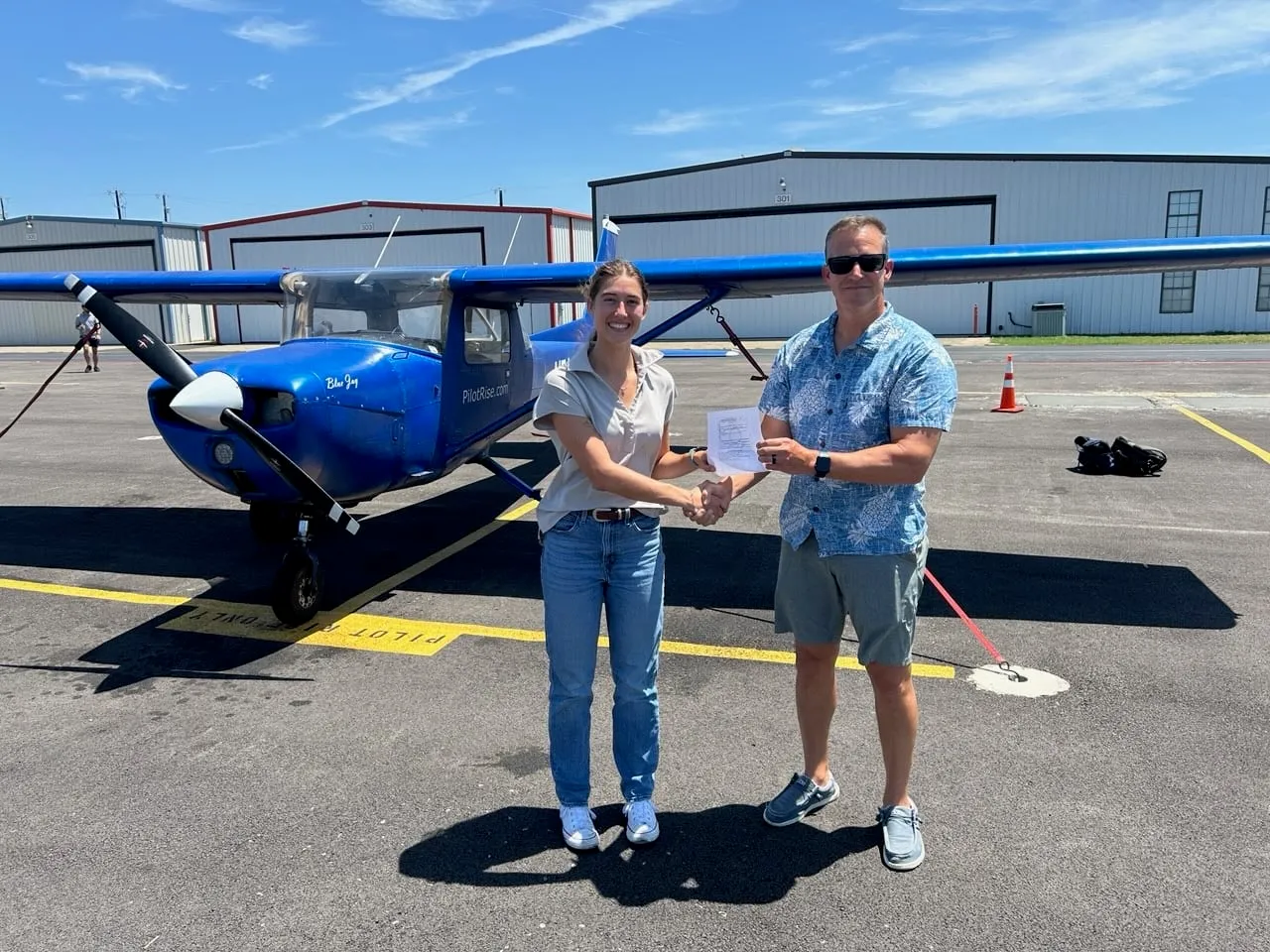
Hicks Airfield provides a useful combination of efficient fundamentals and access to more complex environments.
- Quick practice-area accessMore opportunity to spend the lesson on maneuvers
- Nontowered operationsRepeated practice with traffic awareness and independent judgment
- Nearby towered airportsAlliance and Meacham make controlled-airport training easy to add
- On-field maintenance supportFaster evaluation when a concern is reported
- Multiple aircraft optionsMatch the airplane to the student's training stage, fit, and budget when available
- Second Pilot Rise locationDallas Executive adds a towered airport with two runways and instrument approaches
Dallas Executive may be the better primary location for a student who wants routine ATC interaction on nearly every flight. Hicks may be better for a student who values quick access to the practice area and flexible nontowered operations. Pilot Rise offers both.
Compare the Dallas and Fort Worth locationsAn honest fit check
When Another Type of Flight School May Fit Better
Pilot Rise operates under Part 61. Students who require a VA-approved Part 141 program for GI Bill flight-training benefits or a visa-supported school should confirm those requirements before enrolling.
Students who want professional structure with more flexibility around work, family, pace, weather, and budget are often well served by structured Part 61 training.
Flight school comparison FAQ
Fort Worth Flight School Comparison FAQs
What is the best flight school in Fort Worth?
The best flight school in Fort Worth depends on the student's goals, commute, schedule, budget, and preferred airport environment. Compare productive lesson time, training records, instructor quality, towered-airport exposure, safety systems, maintenance response, and realistic total cost.
Is Hicks Airfield a good place to learn to fly?
Hicks can be a strong choice for quick practice-area access, repeated pattern work, nontowered traffic awareness, flexible lesson planning, and convenient access to nearby towered airports.
Is learning at a nontowered airport a disadvantage?
Not when towered-airport experience is deliberately included. Nontowered training can build traffic awareness, radio discipline, runway judgment, and independent decision-making. A complete program should also include controlled-airspace and ATC experience.
Is Part 61 or Part 141 better in Fort Worth?
Both lead to the same FAA certificates. Part 141 may be necessary for certain GI Bill, visa, or reduced-hour situations. For many students, a structured Part 61 school offers professional organization with more flexibility.
How much does flight training cost in Fort Worth?
The total depends on the certificate, aircraft, hours needed for proficiency, lesson frequency, preparation, and prior experience. Use the Pilot Training Cost Planner and review current Pilot Rise pricing for a realistic estimate.
Should I choose the Dallas or Fort Worth Pilot Rise location?
Choose based on commute, schedule, aircraft, and airport environment. Hicks is often efficient for fundamentals and practice-area work. Dallas Executive provides routine towered-airport experience, two runways, and instrument approaches.
Should I start with a Discovery Flight or Lesson 1?
A Discovery Flight is a low-pressure way to meet an instructor and experience the airplane before committing. A student who is already certain and ready to begin may start with Lesson 1.
Start in Fort Worth
Find Out Whether Pilot Rise Is the Right Fort Worth Flight School for You
Meet an instructor, see the aircraft and training system, and experience Hicks Airfield before making a larger commitment.