Step 01
Private Pilot
Build the foundation for every certificate that follows, progressing from aircraft control and landings through solo flight, cross-country flying, and checkride preparation.
Private Pilot TrainingPilot Rise builds the training phase of the airline career path from zero experience through Private, Instrument, Commercial, and instructor training, with the goal of getting you ready for the job that comes after the certificates.
Career Pilot Program | Airline Career Path
This airline career path page covers the structured training phase from your first lesson through initial instructor qualifications. A CFI is a Certified Flight Instructor, and a CFI-I adds instrument-instructor privileges so you can teach instrument students as well. It is built for students who want a clear route into professional flying, whether they start from zero experience or bring previous training.
The goal is not just to stack certificates. The goal is to finish this phase ready to instruct, build time efficiently, and move into the next hiring step with better habits, stronger communication, and cleaner professionalism.
Not just Certified. Ready.
Your Airline Career Path
Each certificate builds toward the next one. Start from zero experience or bring previous training, and your instructor will help identify the practical next step.
This is the airline career track training phase: Private Pilot, Instrument Rating, Commercial Pilot, then instructor training, commonly called CFI and CFI-I in aviation shorthand, all aligned so you reach the instructor stage with useful habits and stronger hiring readiness.
If you also want a degree plan alongside the airline track, review College Credit for Pilot Certificates to see how eligible FAA credentials may be evaluated by universities that offer online aviation degrees.
Compare Training Paths, Part 61 vs Part 141, the Six Steps to Become an Airline Pilot, and our Dallas and Fort Worth campuses.
Step 01
Build the foundation for every certificate that follows, progressing from aircraft control and landings through solo flight, cross-country flying, and checkride preparation.
Private Pilot Training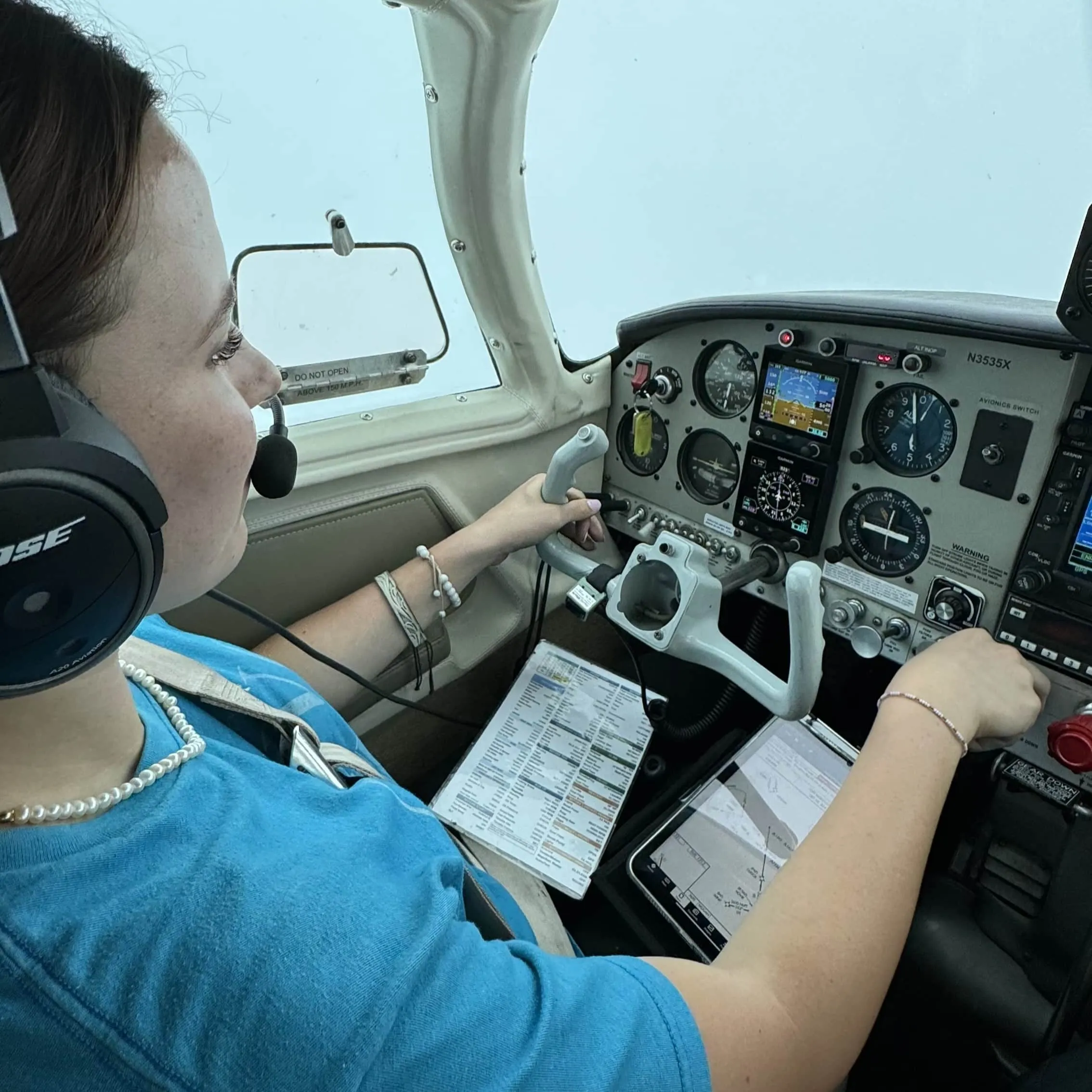
Step 02
Develop the precision, weather judgment, and workload management needed to fly by reference to instruments in aircraft and FAA-approved training devices.
Instrument Rating Training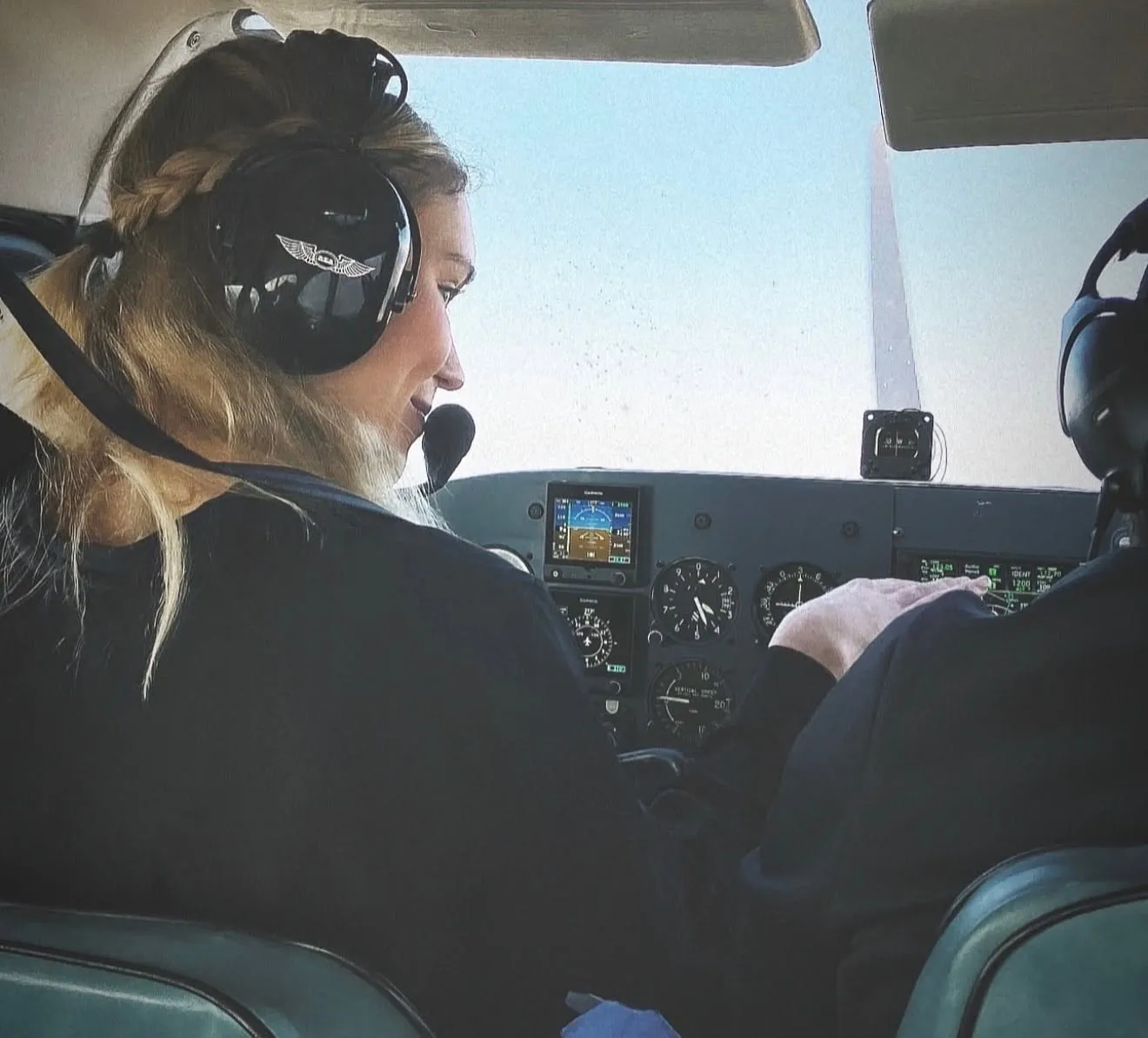
Step 03
Build toward the 250 hours required for a Part 61 Commercial Pilot certificate while planning time building so the hours stay useful for both the certificate and the next hiring step.
Commercial Pilot Training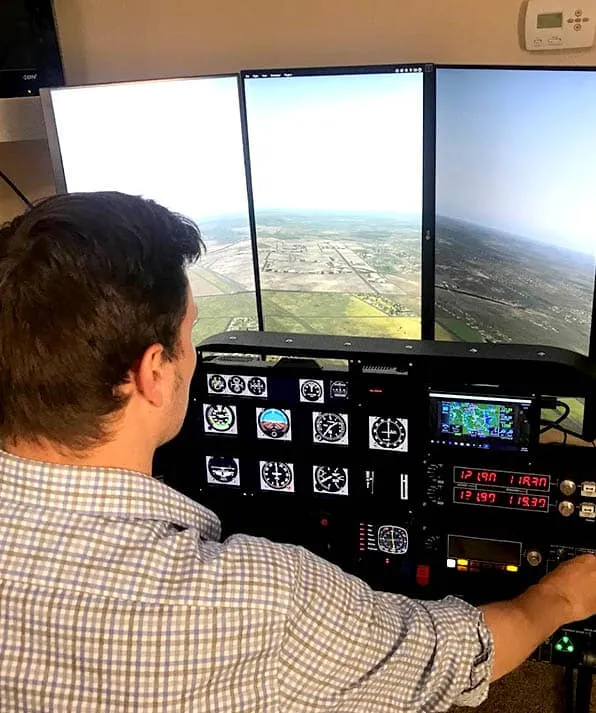
Steps 04 and 05
Learn to teach from the right seat, identify and correct student errors, manage risk, and add instrument-instructor privileges so you finish the training phase ready to instruct and build time professionally.
Instructor Training DetailsTraining Pace
These timelines are estimates, not completion guarantees. You can train frequently under standard terms without joining the Accelerated Program. Compare all three flight training paths to choose your schedule.
Estimate: Starting at 9 months
Estimate: 12 to 18 months
Estimate: 18 to 24 months
Separate sign-up and approval provide $5/hr off flight and ground instruction, active scheduling support, closer progress check-ins, and checkride priority subject to readiness and examiner availability.
Enrollment requires at least 20 hours of weekly availability, including five early-morning or evening hours; availability to report within three hours of notice during those windows; and five weekly hours of on-campus learning outside scheduled flight training.
Review Accelerated Program benefits, minimum commitments, and enrollment terms before applying. Enrollment does not guarantee a completion date or checkride appointment.
Why Pilot Rise
Airline career path students need more than a certificate checklist. Pilot Rise combines structured records, stage checks, scenario training, and free training-device access so every phase supports the next.
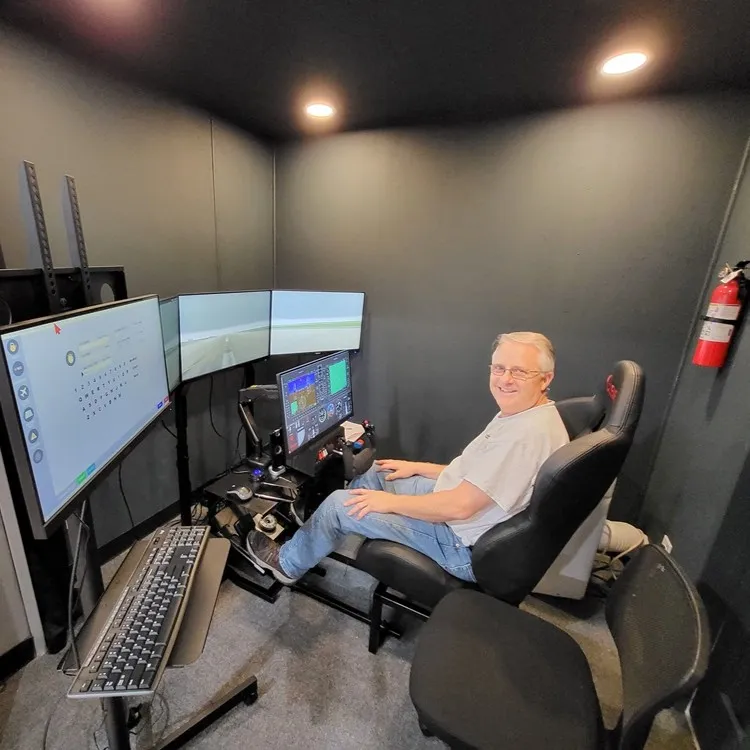
Pilot Rise tracks individual skills and knowledge areas, not only numbered lessons, so instructors can quickly see what is complete and what needs work.
A separate instructor evaluates students before major milestones, including solo flight and checkride approval.
Active students can use available FAA-approved training devices without an hourly device charge. Instructor time is billed when instruction is provided.
Lessons incorporate realistic weather decisions, NOTAMs, radio communication, navigation, airport operations, and changing conditions whenever practical.
Train at Dallas Executive, Hicks Airfield, or both. Your training records move with you across locations, instructors, and available aircraft.
Cost and Financing
Actual cost depends on preparation, training frequency, aircraft choice, previous experience, and time-building strategy. Estimates include resources, supplies, flight hours, instruction, and checkrides. For a stage-by-stage view, see the pilot training cost planner.
Minimum planning floor
$35,000
260 hours
Normal planning estimate
$58,000
285 hours
Practical upper estimate
$78,000
300 hours
Minimum planning floor
260 hours
Normal planning estimate
285 hours
Practical upper estimate
300 hours
Pay as You Go
Pilot Rise does not require full program prepayment. Pay as training occurs and keep control of your funds.
View Detailed PricingComplete Program Financing
You can use a Pilot Rise financing partner or any other financing source you secure.
Explore Stratus FinancingTimelines and cost are estimates. Completion depends on training frequency, preparation, proficiency, weather, aircraft availability, checkride scheduling, and time building.
After Initial Training
Pilot Rise typically looks first to graduates of its own career pathway when instructor positions become available. Employment is not guaranteed. Every candidate must complete the normal hiring process, meet Pilot Rise standards, and apply when a suitable position is available.
The point of this program is to leave the training phase ready to compete for that next step, not just technically eligible for it.
For a broader industry view, see AOPA's flying for a career guide.
Quick Answers
These are the practical questions most career-track students ask before choosing a training pace, financing method, or start date.
Yes. Pilot Rise will review your logbook, training records, endorsements, completed requirements, and current proficiency, then build a plan from your actual starting point.
Yes, but the timeline will generally be longer. Consistent training is more important than choosing the fastest advertised schedule.
No. Flight training is proficiency-based, so no honest school can guarantee the same final cost for every student. Many so-called fixed-price programs include thresholds where a student who goes beyond the plan is removed or charged more. Fixed-price plans are also usually built so most students finish under the cap, which means many people pay more than they would on a transparent pay-as-you-go path. Pilot Rise prices training as it is actually flown.
No. Graduates are typically our first candidates when positions are available, but employment depends on successfully completing the hiring process and meeting Pilot Rise standards.
Yes. You can use a Pilot Rise financing partner or any other financing source you secure, including a bank, credit union, personal loan, family funding, or cash pay-as-you-go.
Talk with Pilot Rise about your starting point, timeline, financing options, and the training pace you can realistically sustain.
5673 Apollo Dr. Dallas, TX 75237
628 Aviator Dr. Fort Worth, TX 76179