

Pilot Rise Part 61 vs Part 141 flight training aircraft in North Texas

PART 61 VS PART 141 | FLIGHT TRAINING | DFW

Part 61 vs Part 141 Flight Training

For most students, the better choice is structured Part 61: a real syllabus, training records, stage checks, standardized instruction, and the flexibility to adapt around weather, progress, budget, and schedule.

Beyond FAA MinimumsPersonalized TrainingFlexible SchedulingFinancing Available
Beyond FAA MinimumsPersonalized Training
Flexible SchedulingFinancing Available

The Short Answer

For most students, structured Part 61 is better.

Part 61 and Part 141 both lead to FAA pilot certificates. The difference is how the training is organized.

Part 141 uses a rigid, FAA-approved course. Unstructured Part 61 offers flexibility but may lack consistency or oversight. Structured Part 61 combines the best parts of both: a professional syllabus, standardized instructors, detailed records, stage checks, and the freedom to adapt training to the student.

That is how Pilot Rise operates. For most students, structured Part 61 provides the best combination of cost, speed, flexibility, and career preparation.

Part 141 can still be the right fit when using the GI bill or for foreign nationals who need a visa. Outside those cases, structure plus flexibility usually wins.

Flight Training Comparison

Structured Part 61 vs Part 141 vs unstructured Part 61.

Select any row for a fuller explanation.

FactorStructured 61Part 141Unstructured 61Best Choice
Overall costBestWeakWeakStructured 61
TimelineBestGoodWeakStructured 61
StructureBestGoodWeakStructured 61
FlexibilityBestWeakGoodStructured 61
PersonalizedBestWeakGoodStructured 61
Instructor ChangesBestGoodWeakStructured 61
GI Bill & VisasWeakBestWeakPart 141
Aviation DegreeGoodGoodWeakStructured 61
Best for recreational pilotsBestWeakGoodStructured 61
Best for career pilotsBestGoodWeakStructured 61

Flight Training Comparison

Part 61 vs Part 141 comparison

Structured 61

Part 141

Unstructured 61

Compare Your Path

Not sure which regulation fits your situation?

Bring your schedule, budget, prior training, and career goal. Pilot Rise can help you compare the practical path, not just the advertised minimum hours.

What the Options Mean

The label is not enough. Look at the training system.

Structured Part 61

A structured Part 61 school uses a complete training system while preserving flexibility. Pilot Rise uses structured syllabuses, standardized instructor expectations, skill-based training records, stage checks, management oversight, and progress tracking between instructors.

Part 141

A Part 141 school trains through an FAA-approved course with defined lessons, records, stage checks, facilities, and instructor requirements. That structure can be valuable when a specific benefit depends on it, but the approved course limits how freely training can be customized. Even strong syllabus improvements may be delayed because a Part 141 school often needs government approval before implementing course changes.

Unstructured Part 61

Unstructured Part 61 training may consist of an instructor and student deciding what to do from one lesson to the next. A strong independent instructor can provide excellent training, but the risk is having no complete syllabus, reliable records, stage checks, standardized expectations, or management oversight.

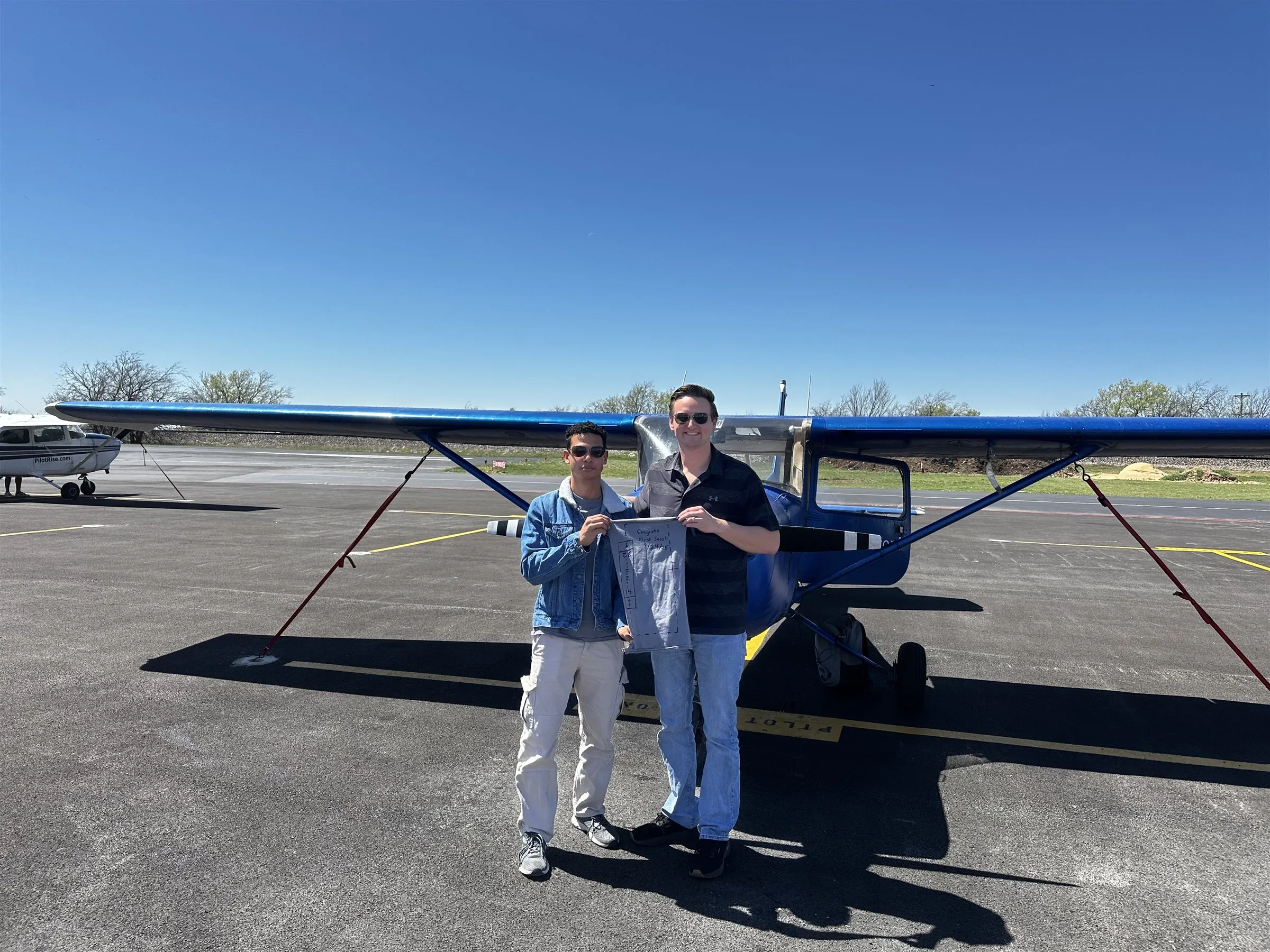
Pilot Rise student in a Part 61 vs Part 141 flight training comparison guide

Why Structured Part 61 Wins

The right Part 61 school gives you structure without giving up control.

Lower total cost

Students are not locked into a rigid tuition package or forced to use the same aircraft for every phase. The lowest hourly rate does not determine the cheapest program. The most efficient complete path does.

A faster practical timeline

The fastest program is the one that keeps the student progressing. Structured Part 61 lets the training plan adjust around weather, aircraft availability, student progress, and real schedules.

Better career preparation

Employers evaluate qualifications, experience, judgment, professionalism, training history, and interview performance. Part 141 does not make you more hirable. Better training does.

Lower Minimums

Do lower Part 141 minimums matter?

Part 141 can reduce certain FAA minimums in approved courses. A university aviation program or restricted-ATP path should not be treated as a benefit by itself; it only matters when the total cost, timeline, degree value, and actual eligibility advantage make sense for that student. An approved private pilot course may use a 35-hour minimum instead of the standard 40-hour Part 61 minimum. Certain approved commercial programs may also qualify students below the standard 250-hour Part 61 requirement.

Those are real advantages on paper, but they do not guarantee a lower bill or a faster path to employment. Most private pilot students do not finish at either regulatory minimum. A commercial graduate with fewer hours may also need additional experience before meeting an employer's or insurance company's requirements. The same applies to university and restricted-ATP advertising: the lower number only helps if the full path gets you employable faster and at a total cost that makes sense.

The correct comparison is the total cost and time required to become employable, not simply the minimum hours required for a certificate.

When Part 141 Makes Sense

Choose the path that solves your actual constraint.

If VA funding or visa sponsorship requires Part 141, confirm the exact school and course approval first. If it does not unlock a benefit you need, compare the full cost, timeline, flexibility, and training quality against structured Part 61.

Train With Pilot Rise

Structured Part 61 training in Dallas and Fort Worth.

Pilot Rise provides structured Part 61 training at Dallas Executive Airport and Hicks Airfield in Fort Worth. Students can complete Private Pilot, Instrument Rating, Commercial Pilot, CFI, CFI-I, or a complete zero-to-career training path.

For most students, the answer is structured Part 61. Just make sure it is the right kind of Part 61.

Not just certified. Ready.

Source Notes

Regulatory and benefit details should be checked at the source.

FAA regulations and benefit eligibility can change. These references were checked while preparing this page.

Quick Answers

Part 61 vs Part 141 questions

These are the practical questions most students ask when comparing flight training regulations, costs, and career outcomes.

Do airlines prefer Part 141 pilots?

No. Part 141 status does not create an automatic hiring advantage. Airlines evaluate the applicant, not the regulation used for the applicant's initial flight training.

Is Part 141 always faster?

No. Lower regulatory minimums do not guarantee a shorter real-world timeline. Completion depends on scheduling, aircraft, instructors, weather, student performance, checkride availability, and program efficiency.

Is Part 61 less structured?

It can be. Pilot Rise is different because it combines a structured syllabus, standardized instruction, detailed records, stage checks, and oversight with the flexibility of Part 61.

Which path should a career pilot choose?

For most students, structured Part 61 is the better path. Part 141 is most valuable when it unlocks a specific VA, visa, or restricted-ATP benefit that the student specifically needs.

Why is structured Part 61 usually more affordable?

Structured Part 61 gives students a complete syllabus and training system without locking them into a rigid program package. Pilot Rise can adjust aircraft, pace, lesson timing, and review needs around the student, which helps reduce wasted time and unnecessary overhead.

Why is structured Part 61 usually faster?

The fastest path is usually the one that keeps the student progressing. Structured Part 61 combines a clear syllabus with the ability to adapt around weather, aircraft availability, student progress, checkride timing, and real schedules.

Is Part 61 less structured than Part 141?

It can be, but it does not have to be. Pilot Rise uses structured syllabuses, standardized instruction, detailed training records, stage checks, and oversight while preserving the flexibility of Part 61.

When is Part 141 the better choice?

Part 141 is most valuable when it unlocks something the student specifically needs, such as an approved VA pathway, a school-sponsored visa pathway, or a particular aviation-degree or restricted-ATP program. Without that specific benefit, structured Part 61 is usually the better fit.

How do instructor changes work in structured Part 61?

Pilot Rise uses a proprietary training record system to protect student progress. If a student changes instructors, the next instructor can see what has been completed, what needs review, and what should come next instead of starting from scratch.

Do career pilots need an aviation degree program?

No. For most career pilots, an aviation degree is usually not worth the added cost and loss of flexibility. We typically recommend earning a degree in another useful field while completing flight training through a high-quality structured Part 61 school.

If you still want an aviation degree, you can finish training first and then take your FAA certificates to a college aviation program for credit. That can reduce the combined cost and timeline while preserving more flexibility.

What if I am set on a university Part 141 restricted-ATP path?

If you are committed to a university Part 141 program for the restricted-ATP pathway, Pilot Rise can still help before you transfer. We commonly train students for their Private Pilot Certificate first so they arrive at the university better prepared, ahead of many peers, and with a stronger foundation for a fraction of the cost.

Start with the training system that fits your goal.

Talk with Pilot Rise about your schedule, budget, previous experience, and whether structured Part 61 is the right path for your training.

Contact Us
Contact Us reCAPTCHA verification

By submitting, you agree to receive reservation and update texts from Pilot Rise. Msg & data rates may apply. Reply STOP to opt out. See our Privacy Policy. No spam. We will never sell your information.

Book Flight

SCHEDULE INTRO FLIGHT - $150

Hands-on 30-minute intro flight. Discover what flying is like.

Book online — No card required.

Book flight reCAPTCHA verification

By submitting, you agree to receive reservation and update texts from Pilot Rise. Msg & data rates may apply. Reply STOP to opt out. See our Privacy Policy. We will not send marketing texts.

Select Aircraft

Free Flight Training Guide

Step 1 of 333%

What's your first name?