After earning your private pilot certificate, the next major phase of professional flight training is building experience.
For most career pilots, this happens in two stages:
- Building the cross-country experience required for the instrument rating
- Building the total and specific experience required for the commercial pilot certificate
Time building can become one of the largest parts of your total flight training cost. When flights are planned correctly, two qualified pilots can fly together, gain useful experience, and divide the aircraft rental cost.
At Pilot Rise, we encourage students to treat time building as training, not simply as a race to add numbers to a logbook.
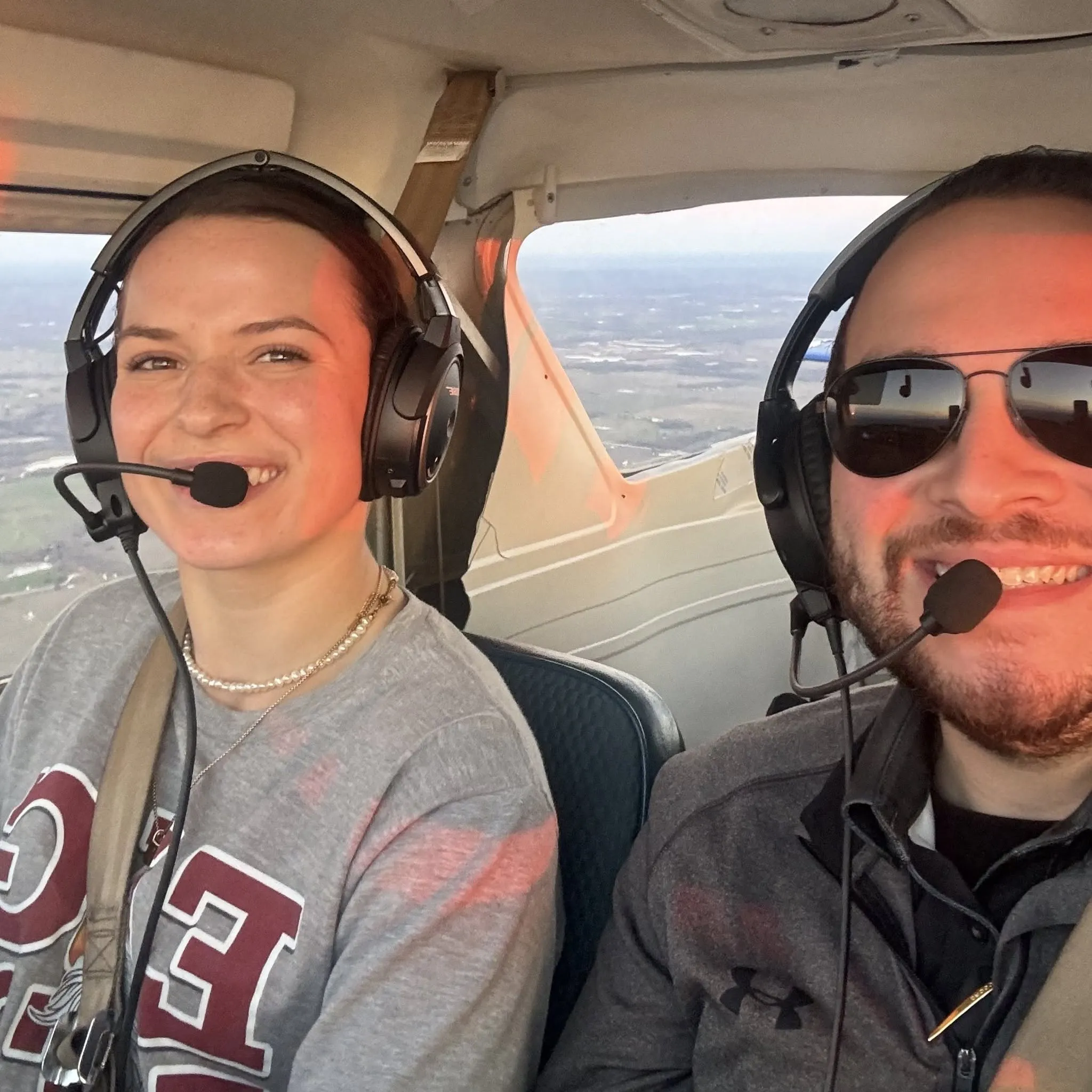
The First Goal: 50 Hours of Cross-Country PIC Time
An applicant for an instrument-airplane rating generally needs:
- 50 hours of cross-country time as pilot in command
- At least 10 of those hours in an airplane
- 40 hours of actual or simulated instrument time
- At least 15 hours of instrument training with an appropriately rated instructor
The FAA defines qualifying cross-country time for an instrument rating as a flight involving navigation and a landing more than 50 nautical miles straight-line distance from the original departure point.
You do not need to wait until all 50 cross-country hours are complete before beginning instrument training. In many cases, the most efficient approach is to:
- Finish the private pilot certificate
- Begin building cross-country time
- Complete the instrument knowledge test
- Begin or resume concentrated instrument instruction while continuing to build cross-country experience
A student might build approximately half of the cross-country requirement, return to more frequent instrument lessons, and then complete the remaining cross-country time alongside that training.
The exact sequence should be based on aircraft availability, instructor availability, finances, and the student's progress.
What Is a Safety Pilot?
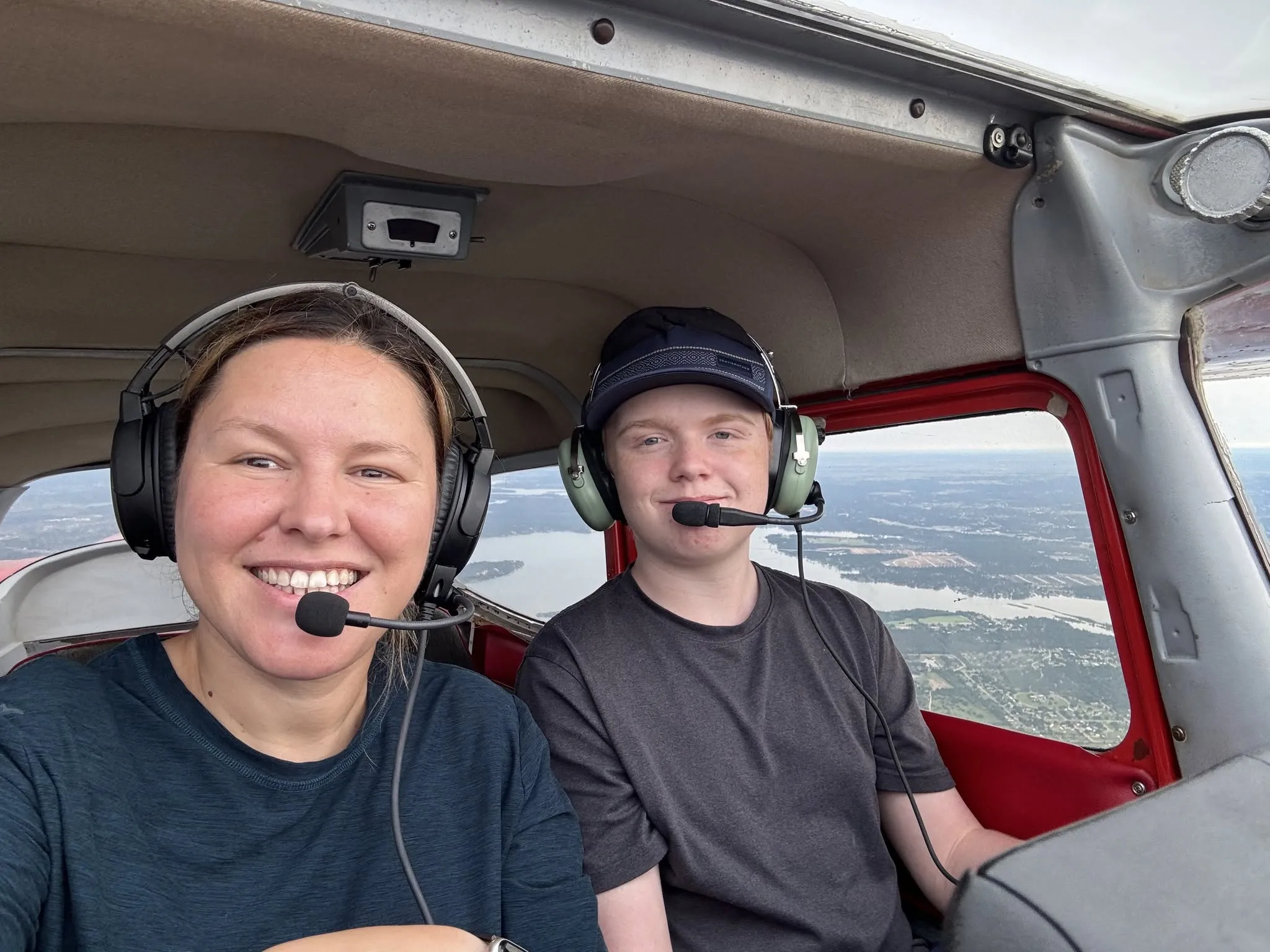
A safety pilot is a qualified pilot who watches for traffic, terrain, weather, and other hazards while the flying pilot uses a view-limiting device, commonly called a hood or foggles.
FAA regulations require a safety pilot whenever someone operates an aircraft in simulated instrument conditions. The safety pilot must occupy the other control seat, have adequate visibility, and possess at least a private pilot certificate with the category and class ratings appropriate to the aircraft. In a Cessna 150 or Cessna 172, that normally means an airplane single-engine land rating.
This allows one pilot to practice controlling and navigating the aircraft by reference to instruments while the other pilot maintains the outside visual scan.
Both pilots are performing real duties. One is flying the aircraft under simulated instrument conditions. The other is protecting the flight by maintaining visual awareness.
How Can Two Pilots Log Time Together?
There is an important difference between:
- Acting as pilot in command
- Logging pilot-in-command time
Only one person acts as PIC. That person has final authority and responsibility for the operation and safety of the flight.
However, two pilots may sometimes log PIC time simultaneously.
The Flying Pilot
The pilot under the hood may log PIC time while that pilot is the sole manipulator of the controls of an aircraft for which the pilot is appropriately rated.
That pilot may also log simulated instrument time while operating the aircraft solely by reference to instruments with a view-limiting device.
The Safety Pilot
If the pilots agree before the flight that the safety pilot will act as PIC, the safety pilot may log PIC time during the portion of the flight in which the other pilot is under the hood. During that period, the safety pilot is a required flightcrew member under the regulations.
If the pilot manipulating the controls remains the acting PIC, the safety pilot may generally log second-in-command time instead of PIC time during the simulated-instrument portion.
The FAA has repeatedly confirmed that two pilots can log PIC time simultaneously in this situation, even though only one of them is acting as PIC.
The pilots should decide and document who will act as PIC before the flight begins.
When Does the Overlapping Time Begin?
The safety pilot may only log time while serving as a required flightcrew member.
That generally means the overlapping time begins when the flying pilot puts on the view-limiting device and begins simulated instrument flight. It ends when the view-limiting device is removed.
The safety pilot generally cannot log:
- Engine startup
- Normal taxi before simulated instrument operations
- Run-up
- Takeoff before the hood is being used
- Time after the hood is removed
- Landing, unless the operation is still being conducted in a manner that legally requires the safety pilot
In practice, most safety-pilot overlap occurs during the airborne portion of the flight. The flying pilot may have slightly more loggable time because that pilot also performs the takeoff, landing, and other portions of the flight.
The logbook entry must include the safety pilot's name when a safety pilot is required.
Safety Pilot Certificate, Currency, and Medical Requirements
At minimum, a safety pilot must hold:
- A private pilot certificate or higher
- The appropriate aircraft category and class ratings
- A valid medical certificate or qualification under BasicMed when serving as a required flightcrew member
- Any additional qualifications required to act as PIC, when the safety pilot has agreed to act as PIC
Under current FAA rules, BasicMed may be used by qualifying private pilots serving as PIC or as required flightcrew members, including safety pilots, provided the flight and aircraft remain within BasicMed limitations.
When the safety pilot acts as PIC, that pilot must also satisfy the requirements applicable to acting PIC. Depending on the flight, these can include:
- A current flight review
- Required endorsements
- Passenger-carrying currency
- Aircraft checkout requirements
- The rental company's operating and insurance requirements
The pilot under the hood must be rated for the aircraft to log PIC time as the sole manipulator of the controls.
Both pilots should review certificates, medical qualifications, currency, logbooks, insurance, aircraft documents, and the planned division of responsibility before departure.
Cross-Country Time Cannot Simply Be Double-Logged
Safety-pilot time and cross-country time are not treated the same way.
The FAA has determined that a safety pilot who is required for only the simulated-instrument portion of a flight cannot log that flight as cross-country time. To log qualifying cross-country time, a pilot must generally conduct the complete flight, including the takeoff, navigation, en route portion, and landing.
This means two pilots should not switch controls halfway through one cross-country leg and expect both pilots to receive cross-country credit for that leg.
A better structure is:
Outbound Leg
Pilot A performs the takeoff, flies the entire leg, navigates, and lands at the destination. Pilot A may log the complete flight as cross-country PIC time.
Pilot B acts as the safety pilot and logs only the qualifying simulated-instrument portion as PIC or SIC, depending on who was designated as acting PIC.
Return Leg
Pilot B performs the takeoff, flies the complete return leg, navigates, and lands.
Pilot B may log the return flight as cross-country PIC time. Pilot A serves as safety pilot and logs the overlapping simulated-instrument portion.
This structure allows both pilots to gain time and experience while preserving clean, defensible cross-country logbook entries.
How Much Can Safety-Pilot Time Building Save?
Using two common rental examples:
Cessna 150 at $130 Per Hour
If the aircraft rents for $130 per hour and two pilots divide the bill equally:
- Total aircraft cost: $130 per billed hour
- Cost per pilot: $65 per billed hour
Cessna 172 at $165 Per Hour
If the aircraft rents for $165 per hour and two pilots divide the bill equally:
- Total aircraft cost: $165 per billed hour
- Cost per pilot: $82.5 per billed hour
Pilot Rise currently publishes a Cessna 150 rental rate of $130 per hour and Cessna 172 rates beginning at $165 per hour, depending on the aircraft. All published aircraft rates are wet, subject to the listed fuel policy.
The effective cost per logged hour will be slightly higher than half the rental rate because the safety pilot cannot normally log the entire billed period.
For example, if an aircraft is billed for 2.0 hours but the safety-pilot overlap is 1.8 hours, each pilot might pay half of the 2.0-hour rental while receiving different amounts of loggable time.
The exact cost-sharing arrangement is decided between the pilots. FAA guidance also explains that a safety pilot is a required crewmember rather than a passenger and is not automatically required to pay a pro-rata share, although pilots commonly agree to divide the rental expense.
Should You Use a Cessna 150 or Cessna 172?
Both aircraft can be effective for time building.
Cessna 150
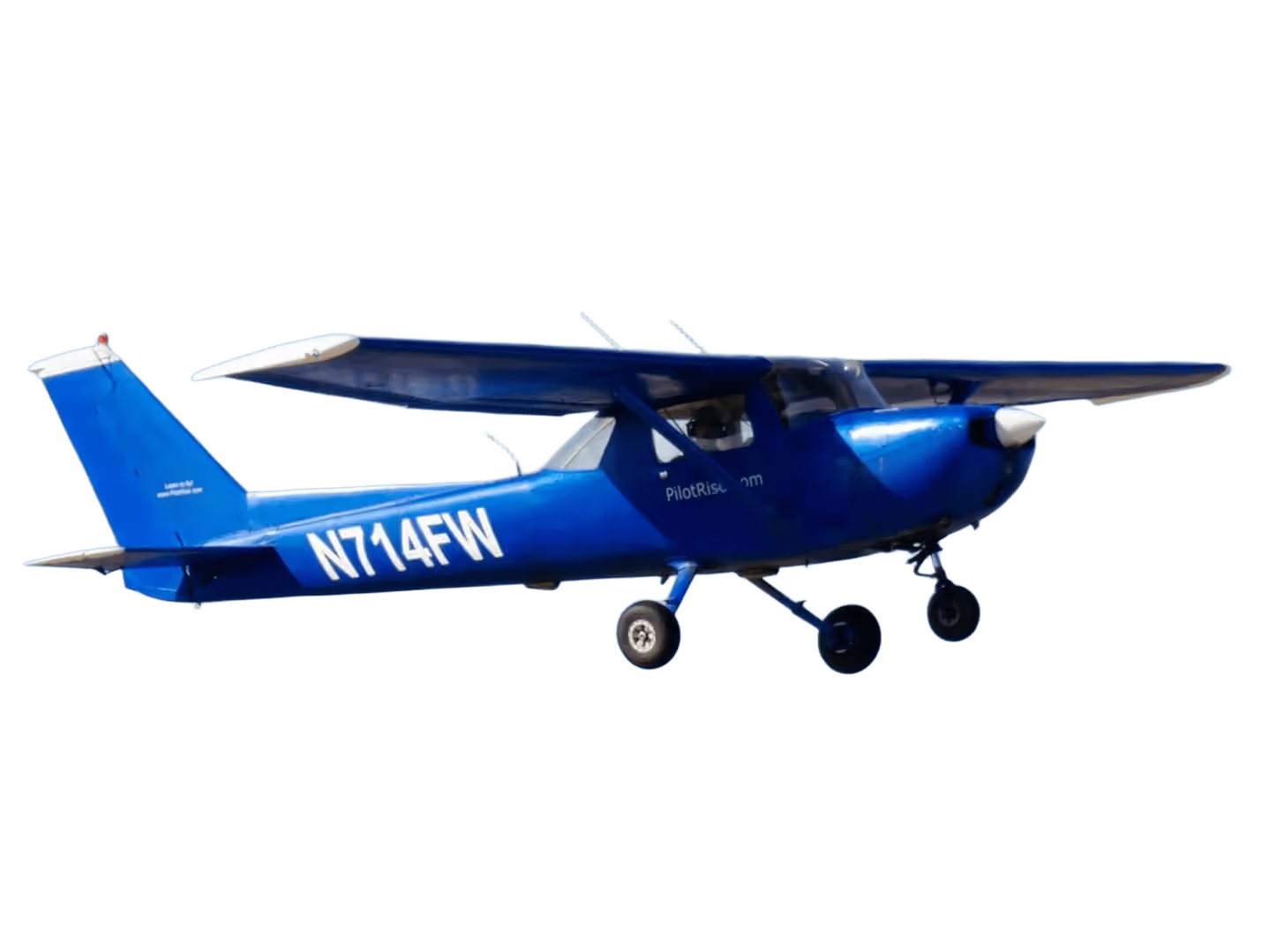
The Cessna 150 is generally the lowest-cost option. It works well when both pilots fit comfortably and remain within weight-and-balance limitations.
It is often the best choice when the primary goal is building hours as economically as possible.
Cessna 172
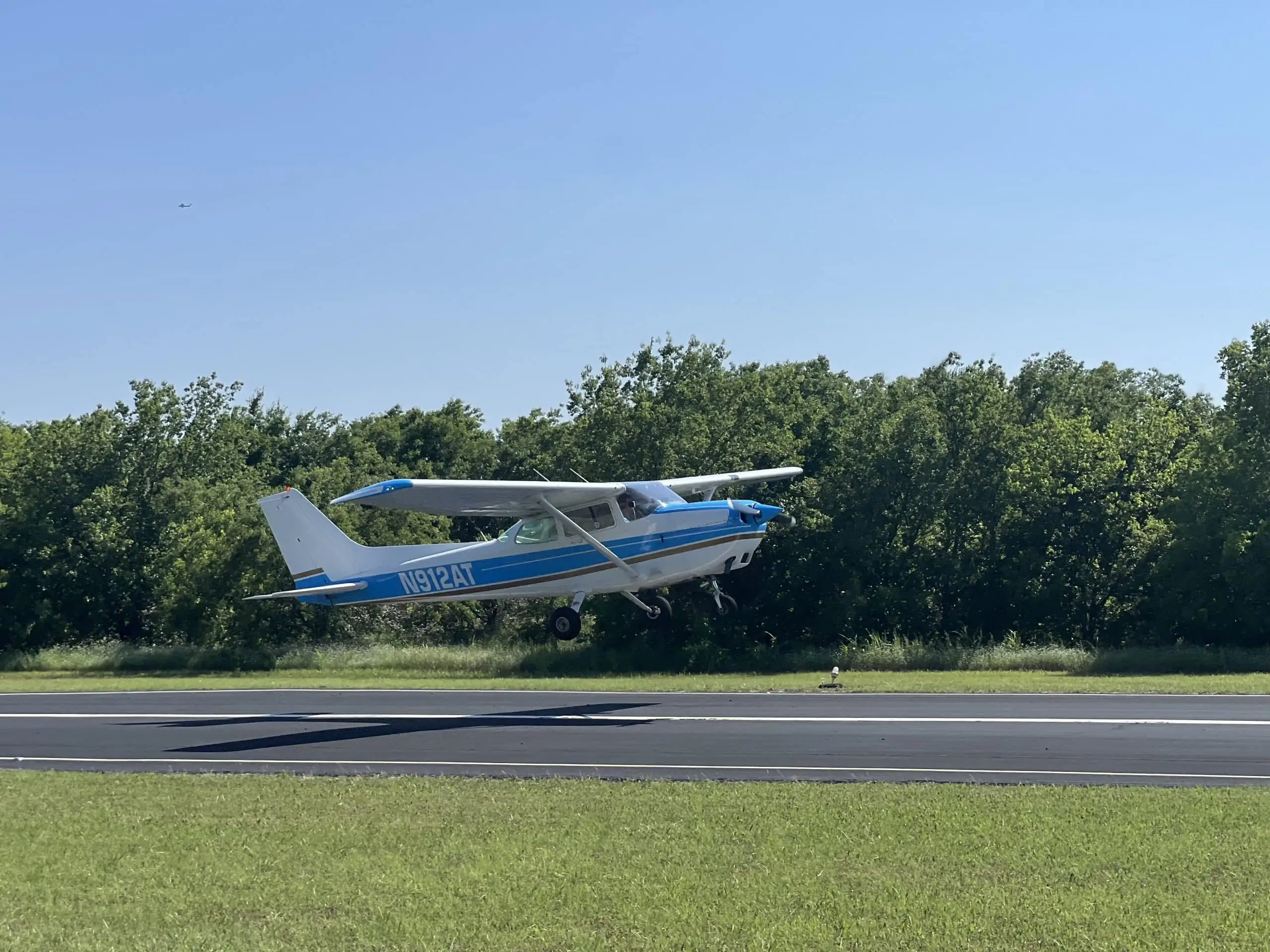
The Cessna 172 provides more cabin room, payload flexibility, and comfort. It may also provide more useful avionics or instrument capability, depending on the particular aircraft.
When the cost is divided, the difference may be smaller than expected. Using a $130 Cessna 150 and a $165 Cessna 172, each pilot's share differs by only $17.5 per billed hour:
- Cessna 150 share: $65
- Cessna 172 share: $82.5
Some pilots choose the 172 because they are more comfortable, can fly longer legs without fatigue, or want experience in a particular avionics configuration.
The cheapest airplane is not always the most productive airplane. Aircraft fit, mission, availability, maintenance status, and training value should all be considered.
Building From the Instrument Rating Toward 250 Hours
A commercial pilot applicant under Part 61 generally needs at least 250 hours of flight time. However, reaching 250 total hours is not the only requirement.
The commercial certificate also includes specific requirements for:
- Total powered-aircraft time
- Airplane time
- PIC time
- Cross-country time
- Instrument training
- Complex, turbine, or technically advanced airplane training
- Day and night cross-country training
- Practical-test preparation
- Solo time or flight time performing the duties of PIC with an instructor
The complete requirements are listed in 14 CFR § 61.129.
Do not build blindly to exactly 250 hours without having an instructor audit your logbook.
A useful planning checkpoint is often around 225 to 230 hours. At that point, the instructor can determine which commercial requirements remain and use the final hours efficiently.
The final 20 or 25 hours may include:
- Commercial maneuvers
- Technically advanced airplane training
- Required commercial cross-country flights
- Night requirements
- Solo or performing-the-duties-of-PIC requirements
- Checkride preparation
Stopping time building near 230 hours is a planning guideline, not a universal rule. Some pilots will need to stop earlier, while others may already have completed more of the required commercial experience.
There is no major problem with exceeding 250 hours. Those hours continue to count toward later career milestones. The goal is simply to avoid paying for unnecessary unstructured flying when the remaining hours could satisfy commercial training requirements.
Do Not Chase Exactly 50 or Exactly 250
Students sometimes become so focused on reaching an exact number that they turn down useful flights or create an inefficient schedule.
That can increase the total cost.
If you need 50 hours of cross-country PIC time for the instrument rating, finishing with 52 or 55 hours is not wasted time. Those additional hours still count toward the 250-hour commercial requirement.
Similarly, it is not a failure to take the commercial checkride with slightly more than 250 hours. What matters is completing the requirements efficiently while becoming a better pilot.
The purpose is not to arrive at a checkride with the smallest legally possible number in the logbook. The purpose is to arrive prepared.
Make Every Time-Building Flight Useful
Time building should involve more than flying straight and level until the Hobbs meter reaches a desired number.
Use the flights to practice:
- Instrument scan
- Navigation
- Diversions
- Radio communication
- Airspace transitions
- Cross-country planning
- Weather decisions
- Fuel planning
- Automation management
- Unfamiliar airports
- Night operations when appropriate
- Crew coordination and clearly assigned responsibilities
The pilot under the hood improves instrument control and procedural discipline. The safety pilot develops traffic awareness, communication, risk management, and operational judgment.
Both pilots should remain actively engaged.
What Happens After 250 Hours?
After completing the commercial pilot certificate, the most common career path is to earn the Certified Flight Instructor and Instrument Flight Instructor qualifications.
Flight instruction allows a new commercial pilot to:
- Begin working as a professional pilot
- Build flight time while being paid
- Strengthen aviation knowledge
- Develop communication and leadership skills
- Gain experience making real operational decisions
- Continue building toward airline hiring requirements
At Pilot Rise, career-track students progress from Private Pilot through Instrument, Commercial, CFI, and CFI-I training. Graduates may apply for available instructor positions, although completion of training does not guarantee employment.
Plan Your Time Building With Pilot Rise
Pilot Rise aircraft are available for training, rental, solo practice, and structured time building at Dallas Executive Airport and Hicks Airfield.
Before beginning, pilots must complete the appropriate aircraft checkout and satisfy Pilot Rise rental, insurance, operational, and safety requirements.
Our instructors can review your logbook, identify the hours you actually need, and help build a plan that supports the instrument rating, commercial certificate, and the next stage of your career.
Do not simply build hours. Build useful experience.