INSTRUMENT RATING • DFW, TX • T67 & KRBD

Instrument Rating Training in Dallas & Fort Worth

Earn your instrument rating in DFW with flexible, structured training, modern avionics, free access to an FAA-approved training device, and real-world IFR experience.

Beyond FAA MinimumsPersonalized TrainingFlexible SchedulingFinancing Available
Beyond FAA MinimumsPersonalized Training
Flexible SchedulingFinancing Available

Quick Course Review

As quick as
6 weeks
FAA minimums
50h PIC cross-country + 40h instrument
Typical completion
2 to 5 months
Pilot Rise training
FREE FAA-approved training device & PilotApproach.com
Starting at
$6,900
Prerequisites
Private Pilot certificate

Already have most of the cross-country requirement? Your plan may be shorter and less expensive. Still need time? We can build it strategically into the course.
Start Instrument Training

Schedule your first instrument lesson.

Start with a review of your logbook, remaining cross-country time, written-test progress, aircraft preference, and schedule so your training begins with a clear plan.

What Instrument Training Builds

The rating changes how you plan, think, and fly.

Instrument training develops the judgment, precision, and workload management that make you a more capable pilot in every type of flying.

Stronger weather judgment

Learn to evaluate changing conditions, forecasts, alternates, personal limits, and the difference between what is legal and what is truly safe.

Better workload management

Build the ability to manage the aircraft, avionics, automation, navigation, radios, and changing clearances without falling behind.

More precise flying

Develop tighter aircraft control, stronger procedures, and the discipline required for advanced certificates, serious cross-country flying, and professional training.

What Pilot Rise Does Differently for This Course

Instrument Rating training built for real IFR flying.

Instrument training should teach you to manage a complete IFR flight, not memorize a few approaches for the checkride.

FREE FAA-Approved Training Device

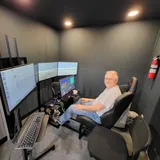
Use our FAA-approved training device for instructor-led lessons and additional free practice between flights. Rehearse procedures, holds, approaches, avionics, and emergencies without paying aircraft rates every time.

PilotApproach.com Practice

The founder of Pilot Rise also created Pilot Approach, an online tool that lets you practice instrument approaches, make procedural decisions, and receive feedback between lessons.

Skills-Based Training Records

Our proprietary software tracks individual instrument skills, knowledge areas, recent performance, and remaining requirements so each lesson focuses on what will move you forward most.

Actual Instrument Experience When Conditions Allow

Train across DFW with real clearances, reroutes, arrivals, approaches, and ATC interaction. When actual instrument conditions are safe and appropriate, we use them to turn practiced procedures into real experience.

Modern Glass Aircraft Training

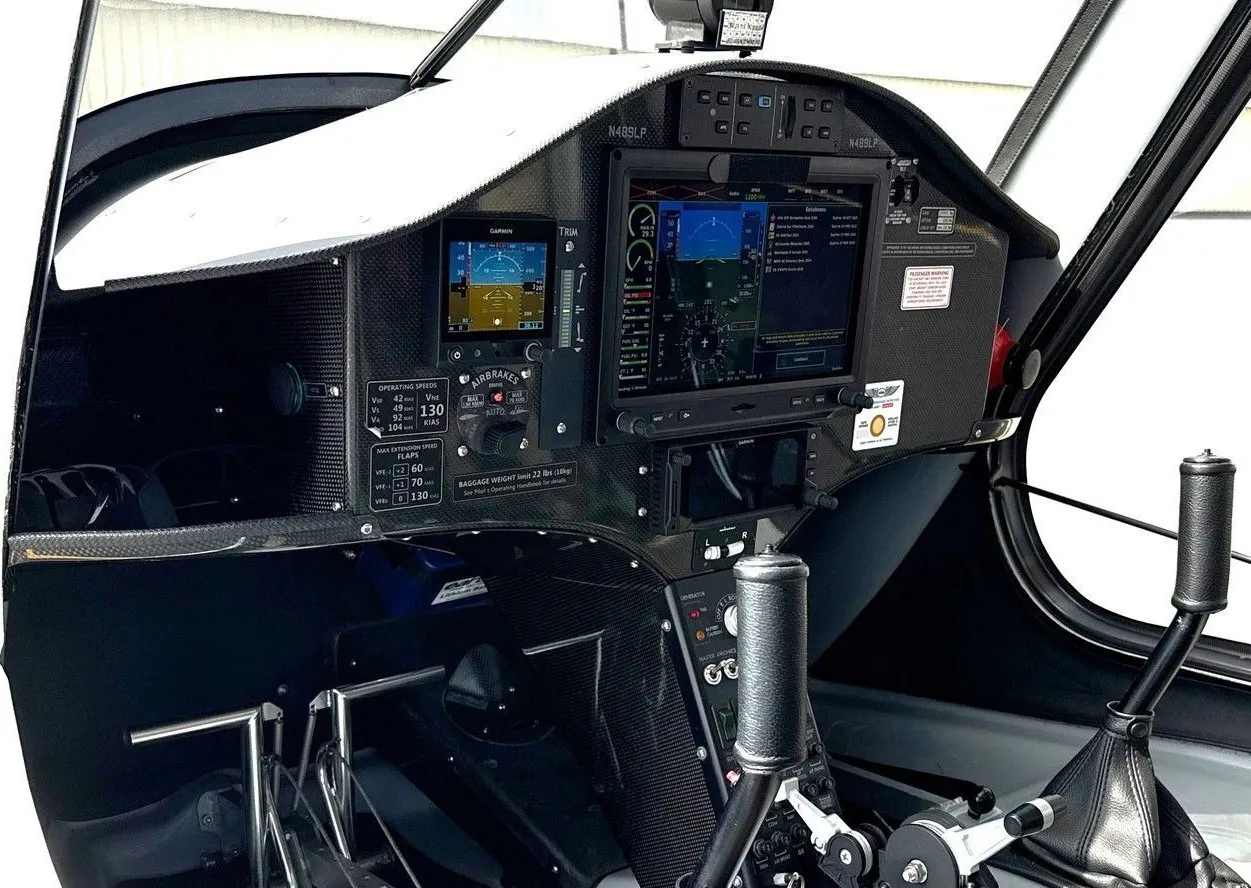
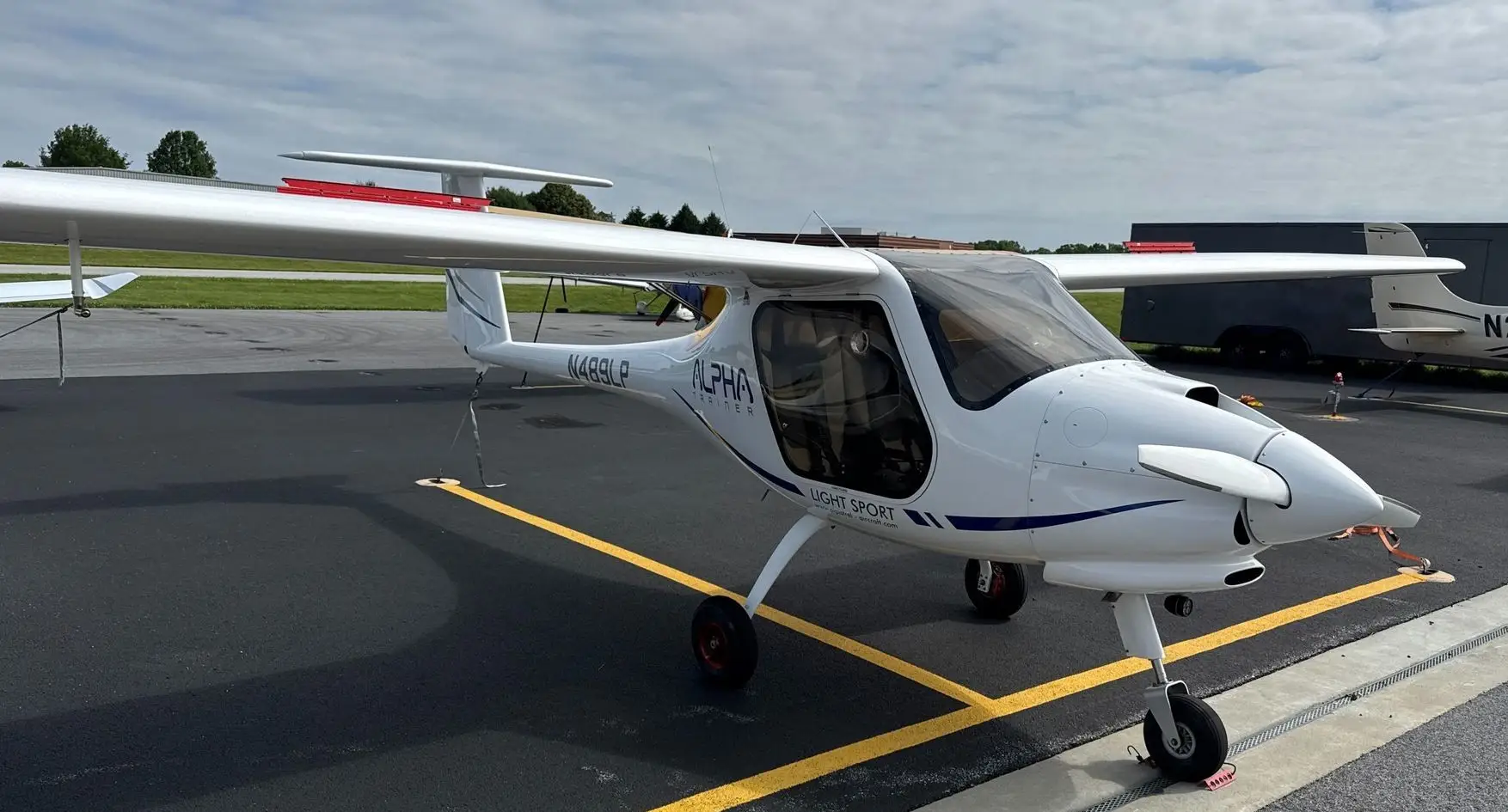
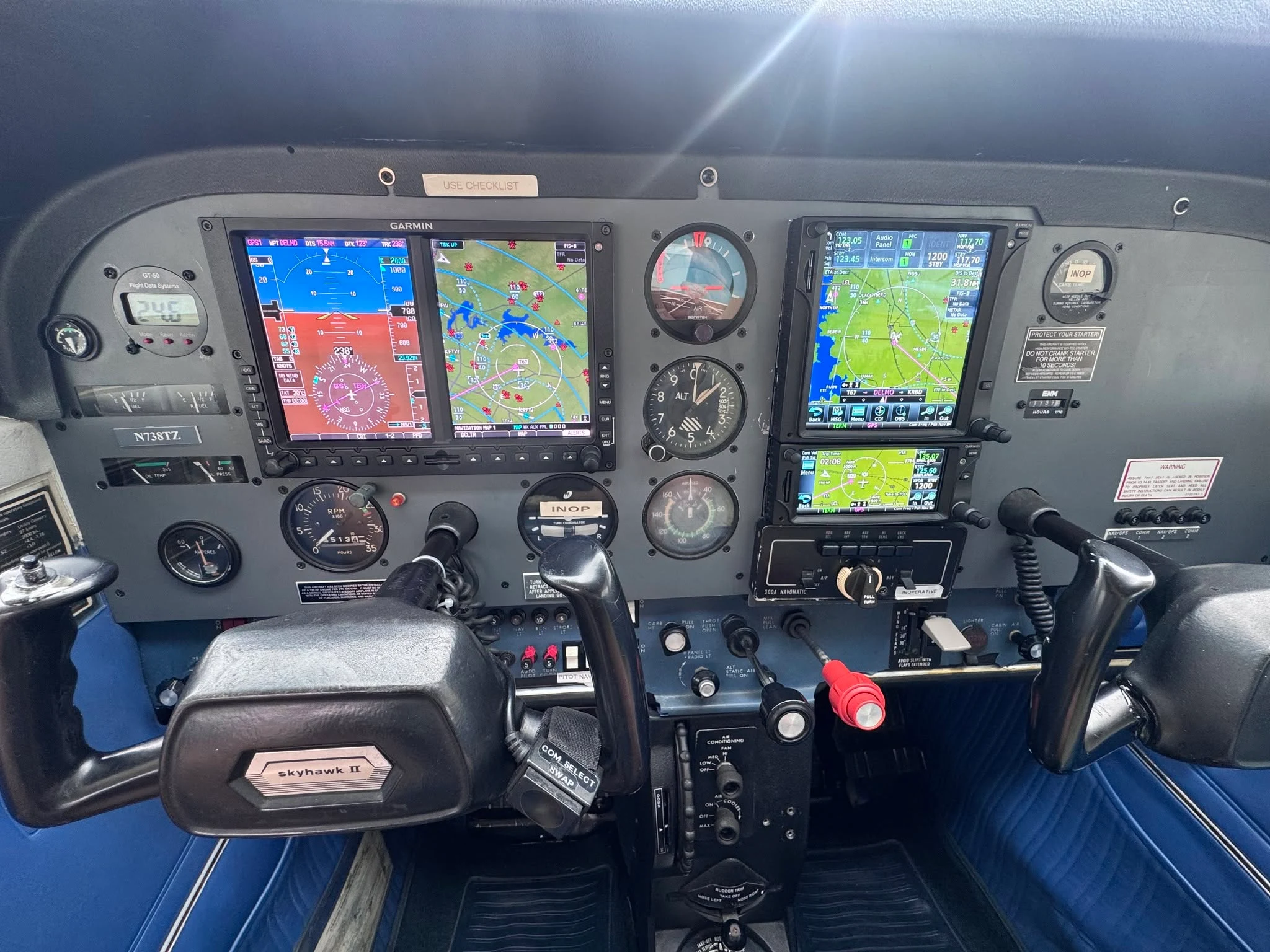
Train with current avionics and automation instead of treating them as an afterthought. Our technically advanced RV-12 includes dual G3X Touch displays, a GTN 750, and autopilot for modern instrument training.

Flexible Training Without Losing Structure

Our syllabus provides clear standards, stage checks, and defined progress while allowing instructors to shift between the aircraft, training device, ground topics, and individual objectives as conditions change.

What Pilot Rise Does Differently for This Course

Instrument Rating training built for real IFR flying.

Instrument training should teach you to manage a complete IFR flight, not memorize a few approaches for the checkride.

The Process

Your instrument rating training path.

Your instructor builds the course around your current skills, experience, and remaining FAA requirements.

Pilot Rise instrument rating review flight and training plan
Step 1

Review Flight and Training Plan

Evaluate your skills, logbook, and remaining requirements to build the right training plan.

Pilot Rise FAA-approved instrument training device
Step 2

Master the Fundamentals

Use our FAA-approved training device to build scan, procedures, holds, approaches, and avionics skills.

Pilot Rise instrument flight training in the aircraft
Step 3

Instrument Training in the Aircraft

Apply those skills to complete IFR flights, approaches, weather decisions, and workload management.

Pilot Rise instrument rating checkride success
Step 4

Checkride Preparation

Finish with stage checks, oral preparation, and practical-test refinement.

Aircraft And Training Options

Choose the aircraft that fits how you plan to fly IFR.

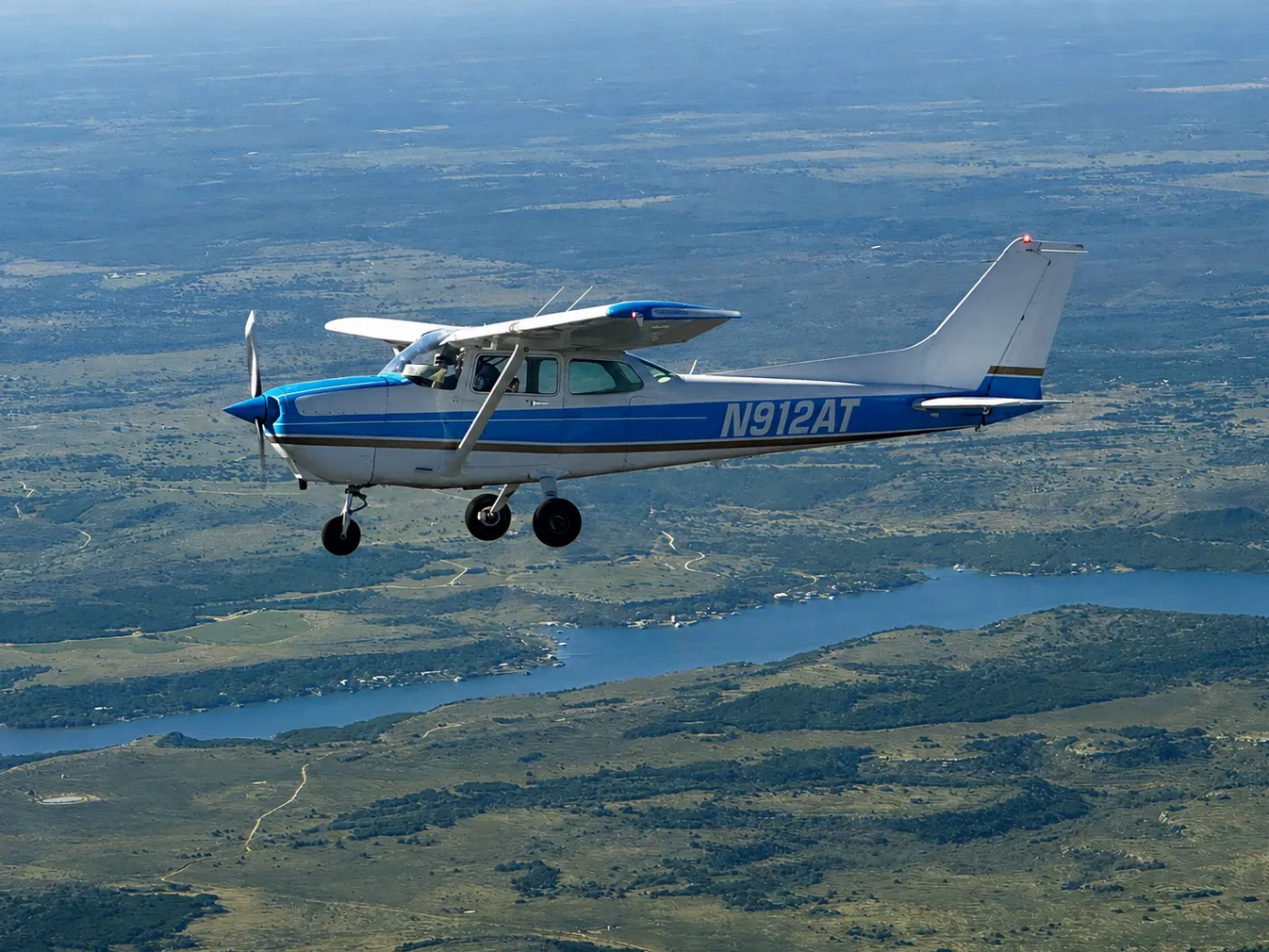
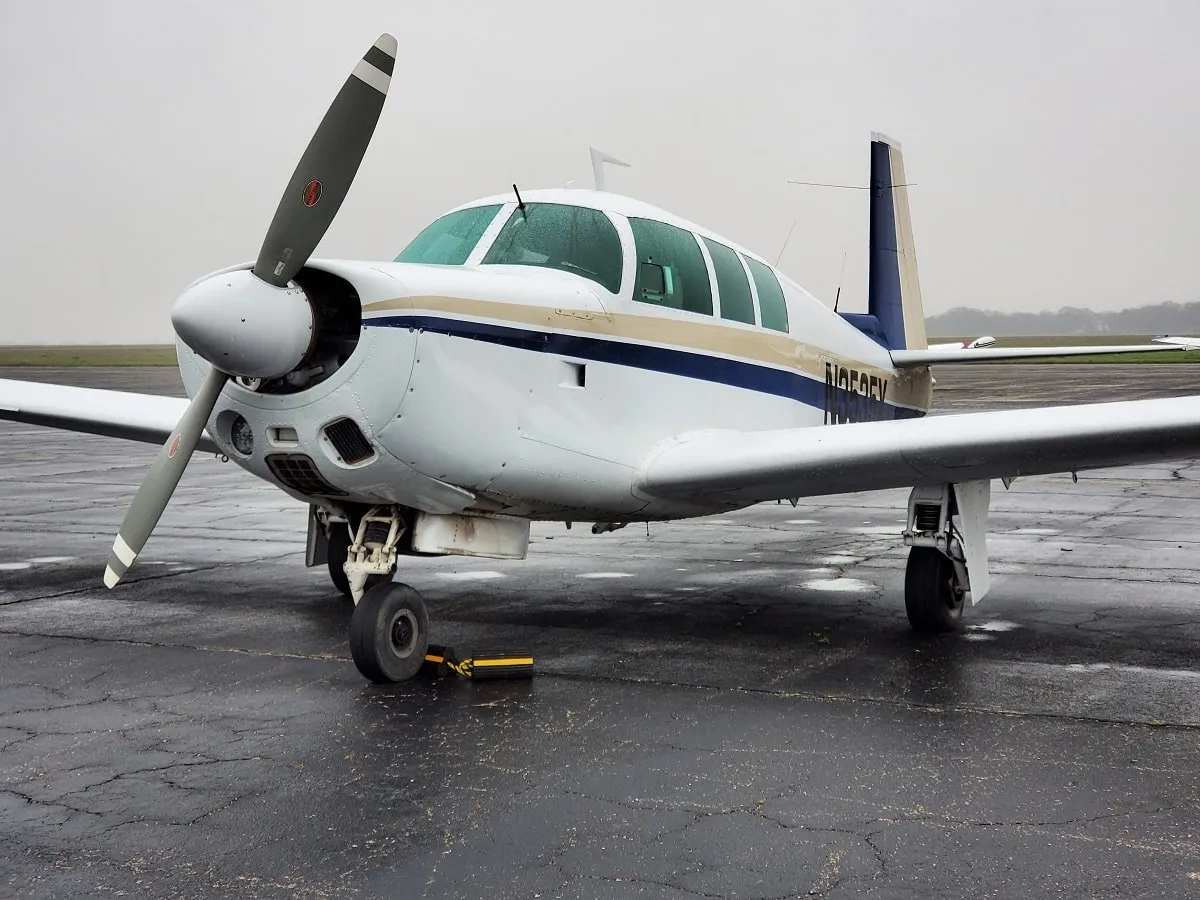
Train in a familiar Cessna 172, a technically advanced RV-12, or the higher-performance Mooney M20F. Each offers a different balance of avionics, cost, comfort, and workload.

Transparent Costs

Instrument Rating Estimates

These estimates assume you earned about 5 hours of PIC cross-country time during private pilot training, build the remaining 45 hours through time splitting, and complete the rating at the FAA minimums. Your actual total depends on the hours already in your logbook, aircraft choice, consistency, and checkride readiness. Most students finish 25% to 50% above the starting cost, and that difference is driven almost entirely by study habits, lesson preparation, and how efficiently they retain each lesson.

Syllabus and Training Resources

Instrument Rating syllabus and training resources.

Pilot Rise combines a custom Instrument Rating syllabus, proprietary skills-based records, and dedicated study tools so your training stays organized without forcing every student through the same lesson order.

  • Custom Pilot Rise instrument syllabus
  • Skills and knowledge tracked individually
  • 30 hours of free FAA-approved training device practice
  • PilotApproach.com procedure practice and feedback
  • Gold Seal ground school and IRA written-test preparation
  • Instrument ACS, study guides, and checkride resources

Student Results

What students say after training at Pilot Rise.

Instrument training should leave pilots more capable, more disciplined, and better prepared for real-world IFR flying.

Karl Tabler student review portrait
Karl Tabler

I wouldn't be an airline pilot without this flight school. I did my private, instrument, and commercial with Pilot Rise. I wish I would've found them sooner. Could've saved me a lot of headaches, money, and restarts.

Tiana Reid student review portrait
Tiana Reid

I've had a really great experience at this flight school. Everyone is friendly, professional, and always willing to help. Huge shoutout to Anthony Balaity, he's an awesome instructor who's patient, explains everything clearly, and makes learning to teach and fly feel a lot less intimidating.

Tanner Peels student review portrait
Tanner Peels

I highly recommend Pilot Rise. Jordan Connors is an amazing instructor. He explains everything in a way that is easy to understand and grasp. Every lesson is filled valuable information and is a great experience.

Jordan Connors student review portrait
Jordan Connors

Amazing Flight School! I recently completed my CFI certification through Pilot Rise! The Aircraft are very well kept. Maintenance is always addressed promptly and completed in a timely manner.

Instrument Rating FAQs

Common instrument rating questions.

Straight answers about starting and completing instrument training in Dallas and Fort Worth.

Do I need all 50 hours of PIC cross-country time before starting instrument training?

No. You can begin instrument training while building the remaining cross-country time.

Pilot Rise starts with a logbook review and evaluation flight so your instructor can coordinate both requirements instead of leaving you with unused prerequisites near the checkride.

Should I pass the IRA knowledge test before starting instrument training?

No, but completing it early can make the flight-training portion more productive. Many students begin flying while studying so the regulations, weather, procedures, and avionics have practical context.

You must pass the knowledge test before the checkride, and the result is generally valid for 24 calendar months.

How does time splitting work during instrument rating training?

Two qualified pilots may share an aircraft while one flies under a view-limiting device and the other serves as the required safety pilot. This can reduce the cost of building eligible cross-country and simulated-instrument experience.

The time each pilot may log depends on the flight, assigned roles, qualifications, and FAA logging rules. Time splitting does not replace the instrument training that must be completed with a CFII.

Do I need to fly in actual clouds to earn an instrument rating?

No. Actual instrument conditions are not required. Instrument training can be completed through simulated instrument flight, aircraft training, and eligible FAA-approved training-device time.

When cloud conditions are safe and appropriate, Pilot Rise looks for opportunities to give students actual instrument experience before the checkride.

Can I transfer instrument training from another flight school?

Yes. Your previous flight time, instruction, and endorsements do not disappear when you change schools.

We review your logbook, conduct an evaluation flight, and build a plan around what you have already completed instead of automatically restarting the course.

Is Part 61 or Part 141 better for an instrument rating?

Neither is automatically better. Part 141 uses an FAA-approved course with a fixed curriculum, while Part 61 generally provides greater flexibility in scheduling and lesson order.

Pilot Rise combines a structured syllabus, stage checks, and detailed progress tracking with the flexibility to adapt training around your skills, weather, aircraft, and schedule.

Do I need an instrument rating to become a commercial or airline pilot?

You can earn a commercial airplane certificate without an instrument rating, but the certificate will carry significant limitations on certain passenger-carrying flights for hire.

An instrument rating is required for the normal airline pilot path and is a prerequisite for an airline transport pilot certificate.

Start Your Instrument Rating

Become the pilot who is ready when the weather changes.

Build the precision, judgment, and real IFR experience to use your instrument rating with confidence across DFW and beyond.

Contact Us
Contact Us reCAPTCHA verification

By submitting, you agree to receive reservation and update texts from Pilot Rise. Msg & data rates may apply. Reply STOP to opt out. See our Privacy Policy. No spam. We will never sell your information.

Book Flight

SCHEDULE INTRO FLIGHT - $150

Hands-on 30-minute intro flight. Discover what flying is like.

Book online — No card required.

Book flight reCAPTCHA verification

By submitting, you agree to receive reservation and update texts from Pilot Rise. Msg & data rates may apply. Reply STOP to opt out. See our Privacy Policy. We will not send marketing texts.

Select Aircraft

Free Flight Training Guide

Step 1 of 333%

What's your first name?