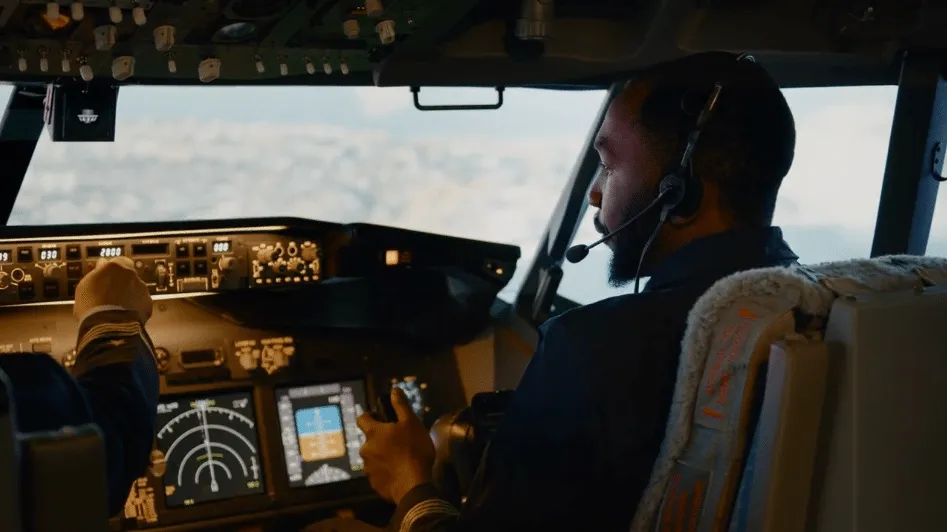
Airline pilots often seem like mysterious figures behind closed cockpit doors. Due to movies, media, and popular culture, several misconceptions about their lifestyle and work have taken root in the public's mind. Here's the truth behind some of the most common myths about airline pilots.
1. The First Officer is in Training
Many people believe that the first officer (FO) is merely a trainee, shadowing the captain to learn the ropes. In reality, the first officer is a fully certified and qualified pilot capable of operating the aircraft. Both the captain and the first officer take turns flying the aircraft from one destination to another, while the non-flying pilot handles communications and other necessary tasks. This division of duties ensures that both pilots maintain their skills and share the workload equally.
2. Pilots Fly the Same Routes Repeatedly
While it might seem that pilots operate the same routes over and over, this is generally not the case. Pilots have the opportunity to bid for the trips they prefer, and as a result, their schedules can vary significantly from month to month. One month might consist of several short one-day trips, while the next could include a few longer trips that span several days. This system provides pilots with a tremendous amount of flexibility and prevents the monotony that would come from flying the same route repeatedly.
3. Autopilot Does All the Flying
There's a widespread belief that once the airplane is airborne, the autopilot takes over and the pilots just sit back and relax. While autopilot is a highly advanced tool that aids in flying the aircraft, it does not eliminate the need for pilots. Pilots are responsible for programming and managing the autopilot system, and they must remain alert to monitor its operation and intervene when necessary. Additionally, pilots often choose to manually fly the aircraft to maintain their flying proficiency, especially during critical phases like takeoff and landing.
4. Pilots Must Live Near the Airport
Another common misconception is that pilots need to live near the base airport from which they operate. In truth, pilots can live far from their base airport—some reside as far as two hours away. Moreover, many pilots choose to commute from different cities or even states. For instance, a pilot might live in Durango, Colorado, to enjoy the mountain lifestyle while flying out of a major hub like Dallas Fort Worth Airport. This flexibility allows pilots to choose their living arrangements based on personal preference rather than proximity to work.
Understanding these aspects of a pilot’s professional life helps demystify their role and highlights the skills and flexibility required to manage this demanding and dynamic career. Pilots are highly trained professionals who balance the art of flying with the unpredictability of schedules and the rigorous demands of safe air travel.